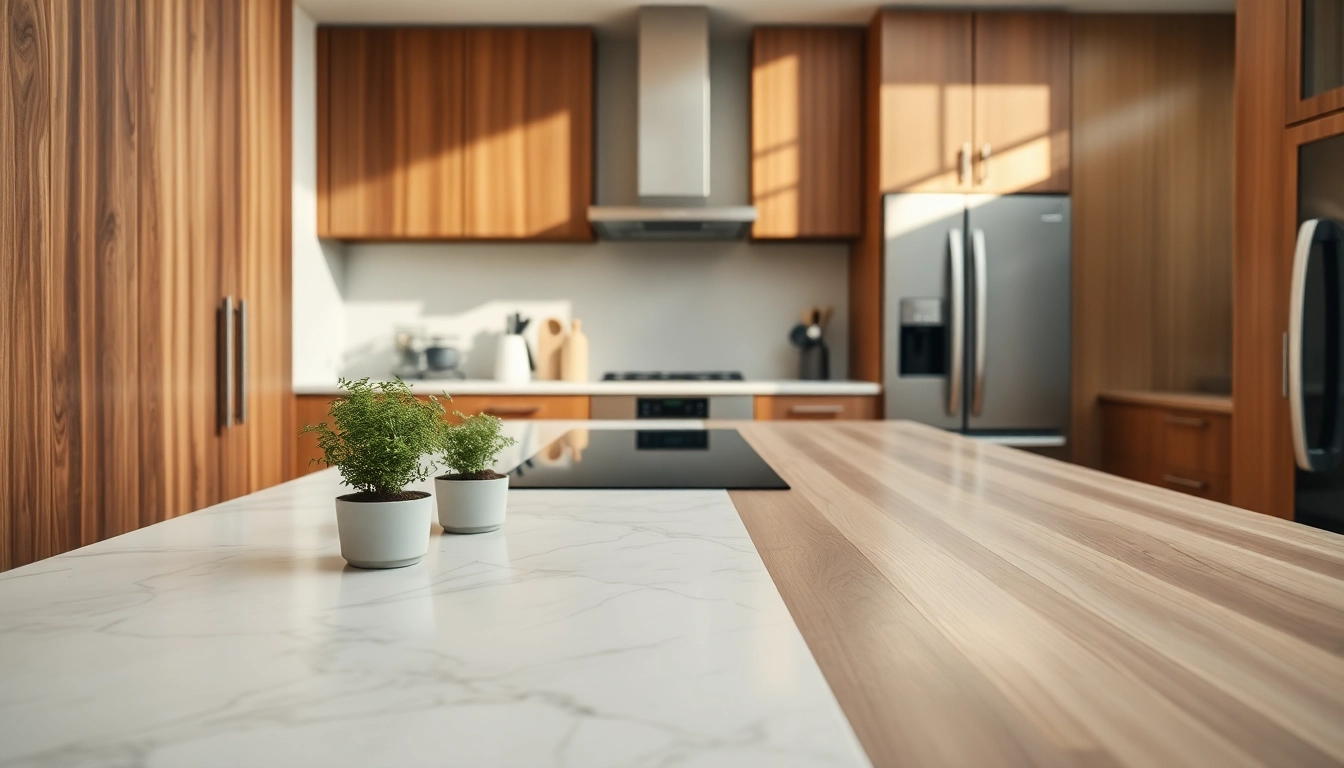
Understanding Kitchen Worktops: Types and Materials
Choosing the right kitchen worktops can significantly impact both the functionality and aesthetic appeal of your kitchen. Whether you're renovating or designing a new space, understanding the different types of materials available is crucial in making an informed decision. In this section, we will explore the most common materials used for kitchen worktops, their respective pros and cons, and how to select the right one for your needs.
1. Common Materials for Kitchen Worktops
Kitchen worktops come in various materials, each providing unique benefits and characteristics. Common materials include:
- Granite: A natural stone that is extremely durable, heat-resistant, and available in a range of colors. It requires regular sealing to prevent stains.
- Quartz: Engineered stone made from natural quartz and resin. It is non-porous, making it resistant to stains and scratches. Available in a wide variety of colors and patterns.
- Laminate: A cost-effective synthetic material that comes in various styles and designs. It is easy to clean but not as heat or scratch-resistant as stone countertops.
- Wood: Offers a warm and classic look. While butcher block configurations are popular, wood requires regular oiling and maintenance to prevent warping and staining.
- Stainless Steel: Ideal for modern kitchens, stainless steel is resistant to stains and bacteria. It's durable but can scratch easily and may show fingerprints.
- Marble: A luxurious choice that provides beauty but is porous and prone to scratches and stains. Regular sealing is needed to maintain its appearance.
2. Pros and Cons of Different Kitchen Worktops
Choosing a material for your kitchen worktop involves weighing the pros and cons of each option:
Granite
- Pros: Durable, heat-resistant, unique patterns.
- Cons: Requires sealing, heavier than other options.
Quartz
- Pros: Non-porous, low maintenance, vibrant colors.
- Cons: Heavier than some materials, can be expensive.
Laminate
- Pros: Budget-friendly, easy maintenance, variety of designs.
- Cons: Can be less durable, susceptible to heat damage.
Wood
- Pros: Aesthetic appeal, can be refinished.
- Cons: Requires maintenance, susceptible to cuts and burns.
Stainless Steel
- Pros: Clean and modern, hygienic, heat-resistant.
- Cons: Can scratch and dent.
Marble
- Pros: Elegant, natural beauty.
- Cons: Porous, requires careful maintenance.
3. How to Choose the Right Material for Your Needs
When selecting the right worktop material, consider the following factors:
- Lifestyle: If you cook frequently, a durable and low-maintenance material like quartz or stainless steel might be best.
- Budget: Consider how much you are willing to invest. Laminate provides an affordable option, whereas granite and quartz can be pricier.
- Design: The worktop should complement the kitchen's overall design. For contemporary settings, stainless steel or quartz may fit better, while wood suits rustic Quartz Kitchen Worktops.
- Maintenance: If you prefer low upkeep, choose non-porous materials like quartz or laminate.
Designing Your Space: Aesthetic Considerations
The kitchen is often the heart of the home, making it essential to consider the aesthetics of your worktops. In this section, we will explore how color, texture, and design style can impact your kitchen’s overall appeal.
1. Integrating Colors and Textures
Colors and textures play a pivotal role in creating an inviting kitchen atmosphere. Here are some tips to harmonize these elements:
- Contrast: A contrasting worktop can make a bold statement against cabinetry. For example, a dark granite worktop can beautifully complement light wood cabinets.
- Color Coordination: Choose colors that harmonize with your kitchen. Neutral tones for cabinets can pair well with vibrant or patterned worktops.
- Textural Balance: Mixing materials can add depth. Consider pairing smooth surfaces like quartz with textured wood or stone accents.
2. Modern vs. Traditional Worktop Styles
The style of your kitchen can greatly affect which worktop design you choose. Here’s how to align your worktops with your kitchen style:
Modern Kitchens
In modern quartz worktops colours, clean lines and minimalism are key. Opt for materials like quartz or stainless steel, which provide a sleek and sophisticated look.
Traditional Kitchens
For traditional kitchens, warm wood or classic stone like granite can offer a timeless appeal. Consider incorporating intricate edge details or decorative backsplashes for added detail.
3. Creating Flow in Your Kitchen Design
To ensure a seamless design, consider how your worktops interact with other elements in the space:
- Color Scheme: Ensure that the colors of your worktops flow well with your cabinetry and wall colors.
- Layout: The placement of worktops should create a logical workflow in the kitchen, facilitating ease of movement and functionality.
- Lighting: Proper lighting can enhance the beauty of your chosen worktop material, so include adequate natural and artificial light sources.
Installation Guidelines: What to Expect
Installing kitchen worktops requires careful planning and execution. This section will provide insights into preparing for installation, the process itself, and tips for successful execution.
1. Preparing for Your New Kitchen Worktops
Preparation is key to a smooth installation process:
- Measure Accurately: Ensure that all measurements are precise to ensure a perfect fit.
- Clear the Area: Remove existing worktops and clear the countertop area of all items.
- Check Support Structures: Ensure that the cabinets beneath the worktops are stable and level to support the weight.
2. Professional Installation vs. DIY
Deciding between professional installation and a DIY approach can significantly influence your project:
- Professional Installation: Highly recommended for heavy materials like granite or quartz; professionals understand the nuances of fit and sealing.
- DIY Installation: Possible for lighter materials like laminate if you're handy and follow instructions closely; however, the risk of errors increases without expertise.
3. Tips for a Successful Installation Day
Whether you hire professionals or choose to install the worktops yourself, these tips can ensure success:
- Communicate Clearly: If using professionals, discuss timelines, costs, and processes upfront.
- Have Tools Ready: For DIY, ensure you have all necessary tools and materials on hand before starting.
- Don’t Rush: Take your time during installation to avoid mistakes; patience is crucial for a beautiful final product.
Maintenance and Care: Protecting Your Investment
Once your kitchen worktops are installed, maintaining them properly is essential for longevity and appearance. This section provides practical tips on care and maintenance.
1. Daily Cleaning Tips for Kitchen Worktops
Keeping your worktops clean helps preserve their beauty:
- Use Mild Cleaners: For most surfaces, a solution of warm water and mild dish soap is effective for daily cleaning.
- Avoid Harsh Chemicals: Steer clear of abrasive and acidic cleaners that can damage the surface.
- Wipe Spills Immediately: Cleaning spills right away prevents stains and makes cleaning easier.
2. Preventing Damage and Stains
Protecting your worktops from physical damage and stains requires proactive measures:
- Use Cutting Boards: Always use cutting boards to prevent knife marks on your worktops.
- Coasters and Trivets: Use coasters for drinks and trivets for hot pots to prevent heat marks or moisture damage.
- Regular Sealing: Stone surfaces such as granite or marble should be sealed regularly to maintain their protective barrier against stains.
3. When to Replace Your Kitchen Worktops
Recognizing when it's time to replace your worktops is critical:
- Signs of Damage: Consider replacing worktops that show major signs of chipping, cracking, or stubborn stains that cannot be effectively removed.
- Outdated Style: If your kitchen aesthetic has changed significantly, new worktops may bring the look and feel up to date.
- Functional Issues: If your worktops no longer serve your needs, whether due to layout or material performance, it may be time for an upgrade.
FAQs About Kitchen Worktops
1. What is the best worktop to have in a kitchen?
The best worktop depends on your lifestyle. Quartz offers durability and ease of maintenance, while granite provides natural beauty and heat resistance.
2. What is the difference between a countertop and a worktop?
The terms “countertop” and “worktop” refer to similar surfaces. In the UK, “worktop” is commonly used, while “countertop” is more prevalent in the US.
3. What is the cheapest way to replace kitchen worktops?
Laminate worktops are typically the most affordable option, offering a variety of styles without breaking the bank. They are easy to install and maintain.
4. What is a kitchen worktop called?
A kitchen worktop can also be referred to as a countertop, kitchen bench, or benchtop, depending on regional terminology preferences.
5. How do I choose the right size for my kitchen worktops?
Measure your cabinetry layout accurately, considering space for appliances and workspace when selecting worktop dimensions to fit seamlessly.