
The Importance of a Quality Chafing Dish
Understanding Chafing Dishes and Their Uses
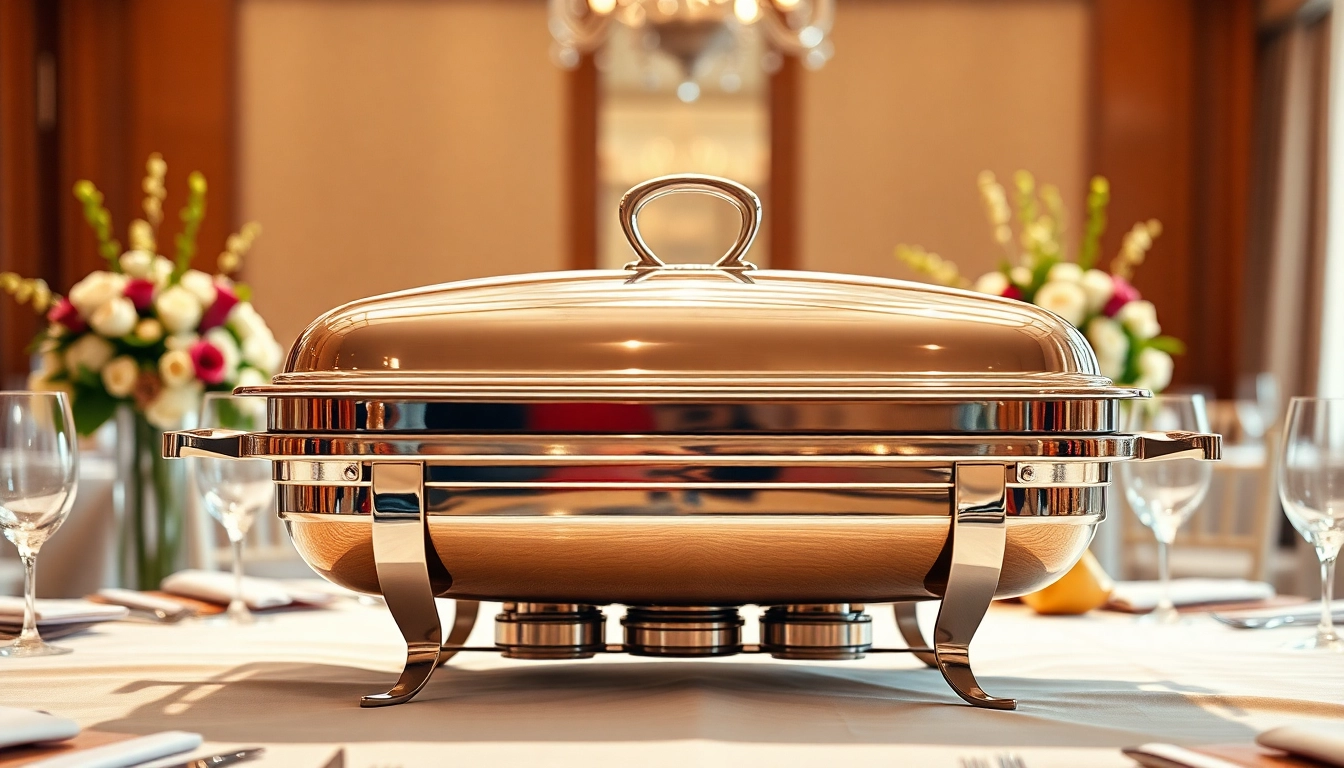
A chafing dish is an essential piece of equipment for any catering event, buffet, or large gathering. These dishes are specially designed to keep food warm while allowing guests to serve themselves easily. Traditionally, chafing dishes consist of a food pan, a frame, and a heat source, providing a stable and controlled way to serve warm dishes during occasions ranging from weddings to corporate events.
The key advantage of using a chafing dish lies in its ability to maintain the temperature of prepared foods without further cooking them. This ensures that everything from savory dishes to delightful desserts remains fresh and enjoyable for guests, allowing hosts to focus on providing an exceptional dining experience without worrying about temperature control.
Why Quality Matters in Catering
When it comes to catering, the quality of equipment directly impacts the presentation and overall experience of meal service. High-quality chafing dishes are robustly designed, ensuring stability and longevity for repeated use. They are usually made of stainless steel or other durable materials that can withstand the rigors of commercial usage. Investing in superior quality not only ensures functionality but also enhances the aesthetic appeal of the buffet setup. A well-presented dish reflects the thoughtfulness of the host and elevates the dining experience.
Furthermore, quality chafing dishes provide better insulation properties, which help in maintaining food at the perfect temperature for longer periods. Lower-quality options may lead to uneven heating, causing some dishes to cool down quickly while others risk being overcooked, which can ruin the meal.
Choosing the Right Size and Style
Choosing the appropriate size and style of a chafing dish is essential to effectively cater to specific events. Understanding the expected number of guests and the type of food service (buffet, plated meals, etc.) can guide your decision. Chafing dishes typically range from 4 to 8 quarts or more, accommodating everything from small, intimate gatherings to grand celebrations.
Additionally, styles can vary from elegant copper finishes to simple stainless steel designs. For formal events, an ornate design might be preferable, while a minimalist approach may suit a casual affair. Regardless of aesthetics, it is crucial that the selected chafing dish aligns with the overall theme of the event for cohesive presentation.
Different Types of Chafing Dishes
Common Materials Used in Chafing Dishes
Chafing dishes are typically made from a variety of materials, each with its unique benefits. The most common materials include:
- Stainless Steel: Most popular for its durability, ease of cleaning, and resistance to corrosion.
- Copper: Offers an elegant appearance and excellent heat conductivity but requires more maintenance to prevent tarnishing.
- Aluminum: Lightweight and affordable, aluminum dishes are great for casual events but may not last as long as stainless steel.
- Plastic: Although less common, some options use high-quality heat-resistant plastic for disposable or lightweight needs.
Each of these materials caters to different needs and aesthetics, so it’s essential to consider which type complements your event while also being serviceable.
Innovative Features to Look for
Modern chafing dishes come equipped with features that enhance their functionality and user-friendliness. Look for options that include:
- Self-Serving Lids: Hinged lids allow easy access while minimizing heat loss.
- Stackable Designs: For convenient storage and transport, stackable options save space.
- Fuel Source Versatility: Depending on the event, a chafing dish may benefit from compatibility with both gel fuel and electric heating options.
- Glass Lids: These provide visibility without needing to open the dish, maintaining food temperature while showing off presentation.
By seeking out these features, you can ensure that your chafing dish not only meets basic requirements but also elevates the overall serving experience.
Comparing Traditional vs. Modern Designs
When shopping for chafing dishes, it’s essential to consider the differences between traditional and modern designs. Traditional chafing dishes usually feature a simple construction with limited features but are tried and true for their reliability. They’re often preferred for classic or formal events where elegance is prioritized.
In contrast, modern designs may incorporate innovative materials and functionalities, such as more efficient heat sources or ergonomic features that cater to the needs of contemporary catering. While traditionally styled dishes present a timeless aesthetic, modern designs embody versatility and practicality, adapting to varied service styles and catering needs.
Best Practices for Using a Chafing Dish
Setting Up Your Buffet Efficiently
The effective setup of a buffet using chafing dishes can significantly influence guest experience. Arrange dishes in a manner that encourages traffic flow and easy access. Place utensils at each station and ensure that food pans are filled appropriately, leaving space for guests to serve themselves comfortably. Always start with appetizers then progress through main dishes to sides, and finally, desserts. This logical flow makes it easier for guests to navigate and diminishes confusion.
Additionally, consider labeling each chafing dish clearly to denote content and dietary considerations, allowing for a more inclusive dining experience.
Maintaining Optimal Food Temperature
It’s crucial to maintain the appropriate serving temperature for all foods. Depending on the meal type, ensure that your chafing dish is heated adequately before introducing food. For hot dishes, a steam bath method can be efficient: fill the water pan below the food pan with hot water, ensuring a steady, controlled heat source. Monitor temperature frequently and replace fuel sources as necessary, especially during longer events.
To avoid common food safety issues, keep hot food above 140°F and cold food under 40°F, taking care not to leave anything uncovered for extended periods.
Cleaning and Storing Chafing Dishes
After your event, proper cleaning is pivotal to extend the lifespan of your chafing dish. Most stainless steel chafing dishes are dishwasher safe, but always check manufacturer instructions. To clean, remove any leftover food, soak any stuck-on residues, and wash with warm, soapy water. For stubborn stains, mild abrasive cleaners are usually suitable.
Before storing, ensure everything is completely dry to prevent rusting or warping. Stackable designs can be especially useful here, as they allow for efficient use of storage space.
Popular Chafing Dish Recipes to Impress
Hearty Main Courses for Large Gatherings
Chafing dishes are perfect for serving hearty main courses that cater to a crowd. Some popular options include:
- Lasagna: A layered favorite that keeps well in a chafing dish, serving generously and easily.
- Slow-Cooked Beef Stew: This comforting dish is perfect for colder weather events, featuring tender beef and vegetables.
- Roast Chicken: An easy meal option, roast chicken garners wide appeal and can be flavored in various styles, from herb rubs to tangy marinades.
All these options not only provide sustenance but channel warmth and hospitality, perfect for any gathering.
Delicious Vegetarian Options
Including vegetarian dishes is essential for accommodating dietary preferences. Some delectable vegetarian options that shine in a chafing dish include:
- Stuffed Bell Peppers: These can be stuffed with grains, beans, and vegetables, providing a filling and nutritious option.
- Vegetable Lasagna: A crowd-pleaser that brings together layers of fresh vegetables and pasta, ideally suited for a chafing dish.
- Mushroom Risotto: With its creamy texture and rich flavor, it’s sure to be a hit, keeping warm and delicious in a chafing dish.
By offering such selections, hosts demonstrate an understanding of dietary diversity while providing appetizing options for every guest.
Creative Desserts to Serve in Chafing Dishes
Desserts presented in chafing dishes can add a special touch to any meal. Consider these crowd-pleasing desserts:
- Chocolate Fondue: Guests can dip fruits, marshmallows, or brownies, creating an interactive dessert experience.
- Fruit Compote: A simple yet vibrant choice allowing for seasonal fruits served warm with vanilla ice cream.
- Custard or Bread Pudding: Delicious when served warm, this dish also has a comforting appeal, perfect for completing a hearty meal.
Creative desserts can evoke nostalgia and indulgence, rounding off the dining experience in a memorable way.
Frequently Asked Questions About Chafing Dishes
What is the best way to keep food warm in a chafing dish?
Using hot water or proper fuel sources will keep dishes at ideal temperatures, ensuring your food stays safe and delicious throughout the event.
Can chafing dishes be used outdoors?
Yes, chafing dishes can be used outdoors, but ensure they are stable and suitable for outdoor usage to prevent tipping or damaging the contents.
How do you clean a chafing dish after an event?
Most chafing dishes are dishwasher-safe; follow specific instructions for best results, but hand-washing with soap and water is typically effective too.
What sizes of chafing dishes are available?
Chafing dishes come in various sizes, typically ranging from 4 to 8 quarts or more, catering to different event sizes and serving needs.
Are there any special accessories for chafing dishes?
Yes, accessories may include food pans, lids, and serving spoons to enhance functionality and organization during events.