
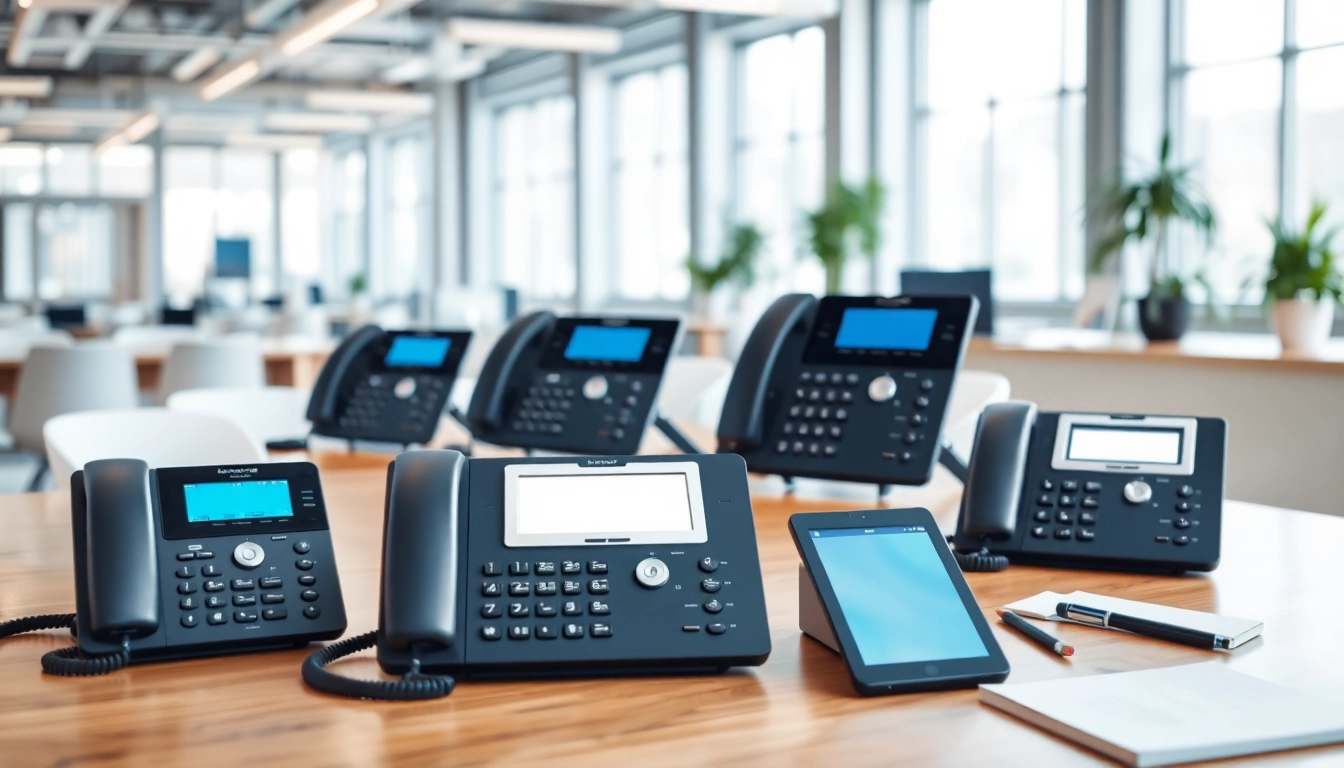
Understanding Office Phone Systems
What Are Office Phone Systems?
Office phone systems are telecommunications solutions designed to facilitate communication within a business environment. Traditionally, these systems connected calls between landlines, allowing staff to communicate effectively. However, modern office phone systems have evolved significantly, incorporating advanced technologies such as VoIP (Voice over Internet Protocol) that utilizes internet connectivity, enhancing flexibility and scalability. By integrating voice, video, and data services, these systems streamline operations, allowing businesses to maintain smooth and coherent communication both internally and with clients. Today, office phone systems also come equipped with various features like voicemail, call forwarding, and conference calling, making them indispensable to any organizational structure.
Types of Office Phone Systems
Office phone systems can be categorized into several types, each offering distinct advantages suited to various business needs:
- Traditional Landline Systems: These systems use PSTN (Public Switched Telephone Network) and are known for their reliability. They are often used in businesses that require basic phone functionalities.
- VoIP Systems: Utilizing internet connections, VoIP systems offer advanced features like call routing, voicemail-to-email, and video conferencing. They are highly scalable and cost-effective for modern businesses.
- Virtual Phone Systems: These systems allow businesses to manage phone communications through an online interface, often providing routing services without dedicated hardware.
- Hybrid Systems: Combining both traditional and VoIP systems, hybrid solutions offer the best of both worlds, making them suitable for businesses transitioning from older technologies.
Key Features to Consider
When selecting an office phone system, certain features can greatly enhance user experience and productivity:
- Scalability: The ability to add new lines and features easily as the business grows.
- Call Management: Features like call forwarding, screening, and queuing ensure efficient handling of incoming calls.
- Voicemail and Visual Voicemail: Voicemail capabilities that allow users to access messages via email or mobile apps are crucial for busy professionals.
- Integration with Other Tools: The capacity to connect with CRM, email, and other business applications enhances workflow efficiency.
- Mobility Features: Many systems offer mobile applications that allow users to make and receive calls on their smartphones, facilitating remote work.
Benefits of Choosing the Right Office Phone Systems
Enhancing Communication Efficiency
Efficient communication is vital for any business’s success. The right office phone systems enhance internal communication through features such as instant messaging, group calls, and conferencing solutions. By enabling quick decision-making and collaboration, businesses can respond more effectively to customer needs. Additionally, integrated systems often streamline communication processes, allowing employees to manage calls from one platform, thus reducing the time spent switching between applications.
Cost-Effective Solutions for Businesses
Cost considerations are paramount when evaluating phone systems. VoIP solutions, for example, typically offer lower costs per call compared to traditional landline systems, especially for long-distance calling. Moreover, many providers present flexible pricing models, such as pay-per-user or monthly subscriptions, which help businesses manage their telecommunications budgets more effectively. This makes it feasible for small to medium-sized enterprises to access advanced features previously reserved for larger companies without incurring heavy expenses.
Integration with Existing Technologies
Modern office phone systems are designed to integrate effortlessly with existing workplace technologies, including email clients and project management software. This integration enhances functionality, allowing teams to collaborate more effectively. For instance, a CRM tool can log calls automatically, making it easier for sales teams to track customer interactions. This seamless connectivity reduces the time employees spend managing multiple systems, ultimately leading to improved productivity.
Top Considerations When Selecting Office Phone Systems
Assessing Your Business Needs
Each business has unique communication requirements based on its size, structure, and industry. Conducting a thorough needs assessment is essential to ensure the selected phone system meets operational demands. Consider factors such as the number of users, the need for advanced features, and potential future growth when evaluating different options. Understanding these elements will guide businesses in selecting a system that supports both current needs and scalability for future growth.
Evaluating Scalability and Flexibility
As businesses evolve, so do their telecommunications needs. Choosing a scalable office phone system means that additional lines or features can be integrated without a complete overhaul of existing infrastructure. Providers that allow easy upgrades or adjustments can help businesses manage costs and adapt to changing demands effectively. Evaluate the system’s flexibility to ensure that it can accommodate varying employee numbers, project expansions, or shifts in communication style.
Reviewing Customer Support Options
Customer support is a critical factor in the overall satisfaction with an office phone system. Look for providers that offer comprehensive support, including online resources, training, and dedicated customer care representatives. Quick and effective technical support can minimize downtime during system failures, which is vital for maintaining business operations. Reading reviews and seeking testimonials can provide insight into the reliability of a provider’s customer service.
Implementing Office Phone Systems
Steps to Successful Installation
A successful installation of an office phone system requires careful planning and execution. Here are the steps to follow for a smooth transition:
- Planning: Assess the physical and technological infrastructure to support the new system.
- Vendor Selection: Choose a provider that aligns with your specific needs and budget.
- Installation: Schedule a time for the system to be installed with minimal disruption to business operations.
- Testing: Conduct tests on the system to ensure all features are functioning correctly.
- Go Live: Transition from the old system to the new one and ensure all employees have access and can utilize the system effectively.
Training Your Team Effectively
To maximize the benefits of a new office phone system, comprehensive training is essential. Develop a training program that covers all system features and functionalities. Offer training sessions, instructional materials, and ongoing support to help employees adjust. Encourage questions to clarify functionalities and ensure users are comfortable with the system, fostering a more productive work environment.
Best Practices for Usage
Establishing best practices for using office phone systems can enhance their effectiveness. Encourage employees to utilize features like call forwarding and voicemail effectively, ensuring that no calls go unanswered. Additionally, promote the use of conference calling for team meetings to elevate collaboration. Regularly review communication policies to adapt to changing business dynamics and encourage feedback from users to understand areas for improvement.
Future Trends in Office Phone Systems
Technological Advancements on the Horizon
As technology continues to evolve, so will office phone systems. The integration of artificial intelligence (AI) is one of the most promising advancements, enabling features like predictive call routing and enhanced customer interaction analysis. Innovations in hardware, such as better network infrastructure and more efficient devices, will also contribute to smoother communications. Staying informed about these advancements can help businesses utilize new technologies effectively as they become available.
Shift Towards Remote Communication Solutions
The recent shift towards remote and hybrid work environments has significantly affected how office phone systems operate. There is now a growing demand for systems that support remote communication seamlessly, allowing employees to connect from anywhere. Future office phone systems will likely prioritize features that strengthen connectivity between on-site and remote workers, ensuring that all team members can communicate regardless of their location.
Impact of AI on Office Phone Systems
AI is set to transform office phone systems by enabling smarter and more efficient solutions. AI-based features may include automated call answering, chatbots for customer queries, and advanced analytics to provide insights into communication patterns. These features will not only enhance customer engagement but also empower employees with meaningful data to improve service delivery. Adapting to these innovations will be key for businesses looking to stay competitive.
FAQs
What factors should I consider when selecting office phone systems?
Consider scalability, features, budget, and integration with existing technology to find the right fit.
Are office phone systems suitable for small businesses?
Yes, many office phone systems offer solutions tailored for small business needs, ensuring efficiency and affordability.
Can office phone systems integrate with other tools?
Most modern office phone systems can seamlessly integrate with CRMs and other business software to enhance productivity.
What are the costs associated with office phone systems?
Costs vary based on features, the number of lines, and whether the system is on-premise or cloud-based. Consider total cost of ownership.
How do office phone systems improve communication?
Office phone systems enhance communication through features like call forwarding, voicemail, conference calling, and instant messaging.
Contact Information
Customer Service Email: [email protected]
Mobile Sales Email: [email protected]
Support Email: [email protected]
Call us: 0333 015 2615
Head Office: Fareham Innovation Centre, Merlin House, 4 Meteor Way, Fareham, Lee-on-the-Solent, PO13 9FU.
London Address: 124 City Road, London, EC1V 2NX
Manchester Address: Bartle House, Oxford Court, Manchester, M2 3WQ