
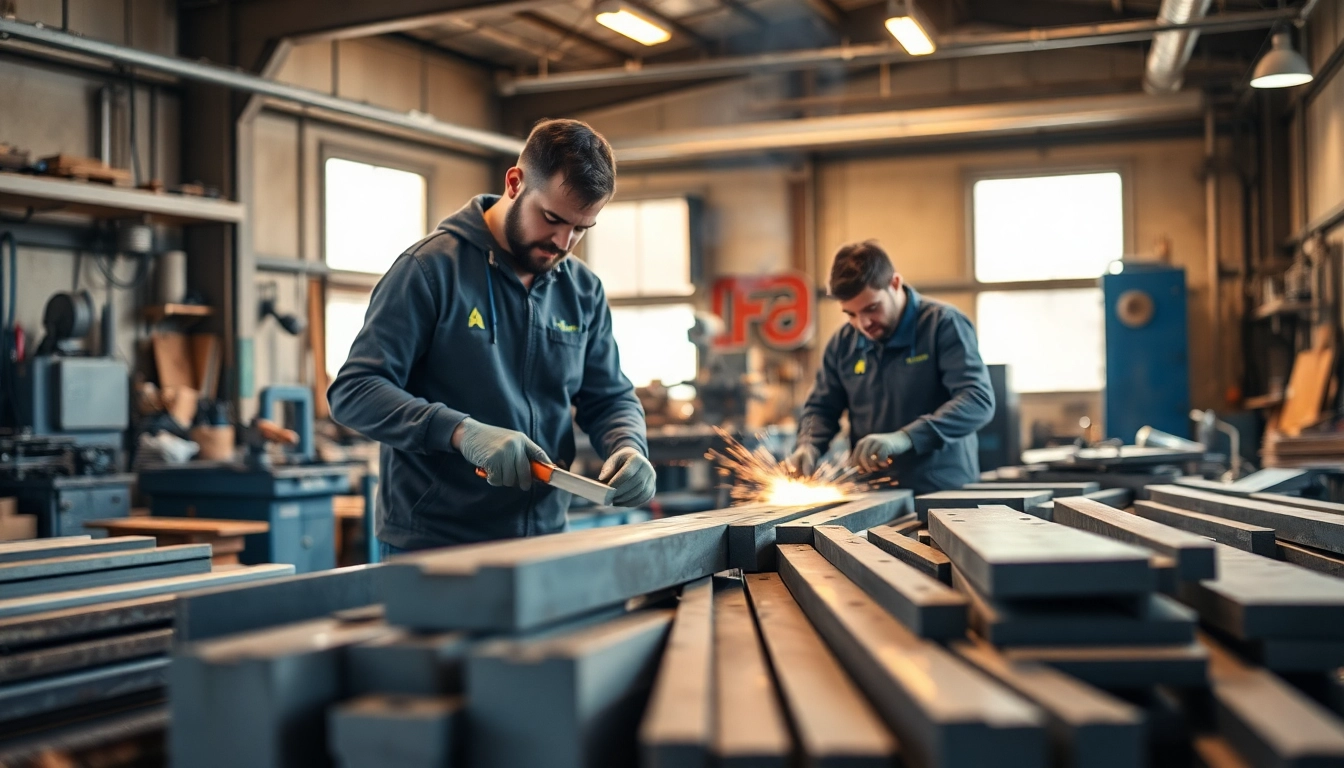
1. Understanding Custom Metal Fabrication
What is Custom Metal Fabrication?
Custom metal fabrication involves creating metal products tailored specifically to a client’s specifications and needs. It encompasses a variety of processes, including cutting, shaping, and assembling metal components to produce unique products. This method allows for flexibility in design and functionality, making it essential for various industries managing diverse projects. Typically, these services are sought after when standard products do not meet specific requirements, whether for structural, artistic, or mechanical purposes.
Benefits of Custom Metal Fabrication
The advantages of custom metal fabrication are manifold. Firstly, it allows for the creation of specialized products that can lead to increased efficiency and productivity. Secondly, tailored solutions often provide better fit and functionality, minimizing waste and potential material costs. Additionally, custom metal fabrication permits greater design versatility, ensuring that manufacturers can meet specific design aesthetics or operational functionalities. Lastly, businesses are more likely to receive items made with high precision, leading to improved overall quality.
Common Materials Used in Custom Metal Fabrication
In the realm of custom metal fabrication, various materials are used, each offering distinct benefits. Steel, especially stainless steel, is popular due to its strength and durability, making it suitable for structural applications. Aluminum, known for its lightweight nature and resistance to corrosion, is favored in industries such as aerospace and automotive. Copper and brass are often utilized in electrical applications due to their excellent conductivity, while specialty metals like titanium and Inconel serve in demanding environments that require exceptional performance.
2. Key Techniques in Custom Metal Fabrication
Welding Methods for Custom Metal Fabrication
Welding is a critical process in custom metal fabrication, comprising different methods tailored to various project requirements. MIG (Metal Inert Gas) welding is popular for its speed and versatility, suitable for a range of metals and thicknesses. TIG (Tungsten Inert Gas) welding allows for greater precision and is commonly used for thinner materials and critical applications. Other methods include spot welding and Oxy-fuel welding, each with unique advantages depending on the type and scale of the fabrication project.
New Technologies in Metal Fabrication
With advancements in technology, metal fabrication has evolved significantly. Modern CNC (Computer Numerical Control) machines improve precision and efficiency, allowing complex geometries to be executed with minimal human intervention. Laser cutting technology offers clean cuts for intricate designs while ensuring low material waste. Additionally, additive manufacturing or 3D printing is gaining traction in metal fabrication, facilitating rapid prototyping and allowing for innovative designs that are difficult to achieve with traditional methods.
Choosing the Right Technique for Your Project
Selecting the appropriate fabrication technique hinges on various factors, including material type, design complexity, and project scale. Assessing the product’s end-use is essential; for instance, lightweight components may benefit more from aluminum and MIG welding methods, while heavy-duty applications require robust steel and TIG techniques. Engaging with experienced fabricators who understand these nuances can lead to optimal technique selection, ensuring the project’s success.
3. Best Practices in Custom Metal Fabrication
Design Considerations for Effective Fabrication
Effective design is crucial in custom metal fabrication. Collaborating early with fabricators can help in understanding fabricability, ensuring that designs are not only aesthetically pleasing but also practical and cost-effective to produce. Key considerations include selecting appropriate materials, ensuring sufficient tolerances, and accounting for assembly processes. Engaging in rigorous prototyping can identify potential design flaws before fabrication begins.
Quality Control Measures in Custom Metal Fabrication
Quality control is paramount in custom metal fabrication. It involves systematic checks at various stages of production, from material selection through to final inspection. Implementing procedures such as dimensional inspections and welding tests ensures the products meet specifications. Certifications like ISO ensure that fabrication processes adhere to industry standards, promoting consistency and reliability.
Working with Professional Fabricators
Partnering with professional fabricators is vital for the success of custom metal fabrication projects. Experienced fabricators bring advanced skills and knowledge that can enhance design, efficiency, and quality. It’s advisable to engage fabricators who specialize in your industry to benefit from their insights regarding trends, technologies, and materials that best suit your needs. Establishing a transparent relationship facilitates smoother communication, leading to a more successful outcome.
4. Applications of Custom Metal Fabrication
Industries Utilizing Custom Metal Fabrication
Custom metal fabrication serves a wide range of industries. The automotive sector relies heavily on it for components that are essential for vehicle performance and safety. In construction, custom fabrications provide structural solutions, such as beams and frameworks. The aerospace industry demands high-precision components for aircraft, while medical equipment manufacturers require customized solutions that meet stringent regulatory standards. Furthermore, the art and design industry uses metal fabrication to produce unique sculptures and installations.
Case Studies of Successful Custom Metal Fabrication Projects
Reviewing successful case studies illustrates the impact of custom metal fabrication. One standout example is the fabrication of a custom truss system for a bridge, which required precise engineering and meticulous safety assessments. The project’s successful completion owed itself to early collaboration between architects and fabricators. Another case involved an artistic installation in a public park requiring intricate metalwork; the approach of utilizing CNC technology allowed for flawless execution of the design while staying within budget and timeline constraints.
Future Trends in Custom Metal Fabrication
Looking ahead, the landscape of custom metal fabrication is expected to transform significantly. The integration of Industry 4.0 concepts is set to enhance production efficiency. Technologies such as IoT will offer real-time monitoring of fabrication processes, increasing accountability and decreasing downtime. Sustainability will also take center stage, as companies adopt eco-friendly materials and practices. Furthermore, as customization continues to grow in importance, digital technologies will streamline the design process, making it easier for businesses to meet consumer demands.
5. Frequently Asked Questions about Custom Metal Fabrication
What is the cost of custom metal fabrication?
The cost of custom metal fabrication depends on various factors, including material choice, complexity of the design, and size of the project. A detailed quote from fabricators can provide clearer insights based on specific project requirements.
How long does the custom metal fabrication process take?
Timeframes for custom metal fabrication vary greatly depending on project scope. Simple designs may take weeks, while complex, large-scale projects could span several months. Early planning and communication with fabricators can expedite the process.
Can custom metal fabrication be done for small projects?
Absolutely! Custom metal fabrication caters to both large and small projects. Many fabricators offer services for smaller runs or individual bespoke pieces, ensuring tailored solutions to meet various requirements.
What industries rely on custom metal fabrication?
Multiple industries utilize custom metal fabrication, including automotive, aerospace, construction, medical, and art sectors. Each field has unique demands that require specialized metal solutions.
How to maintain products made from custom metal fabrication?
Maintenance of custom metal products involves regular cleaning, inspection for signs of corrosion or wear, and following specific care guidelines based on material type. Proper maintenance ensures longevity and performance of the products.