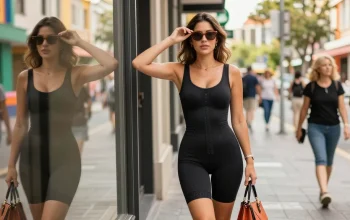

Understanding AI-Generated Images: A Comprehensive Overview
In the rapidly evolving digital landscape, AI-Generated Images are revolutionizing how creators approach visual content. By employing machine learning algorithms, these images are produced based on descriptive text prompts, enabling artists, marketers, and businesses to generate unique visuals that were once confined to the realm of imagination. This article delves into the intricacies of AI-generated images, exploring their definition, the technology that powers them, their benefits, and their applications across various sectors.
What Are AI-Generated Images?
AI-generated images are visuals created through artificial intelligence software that interprets and transforms textual prompts into imagery. Leveraging deep learning models—particularly Generative Adversarial Networks (GANs) and diffusion models—these tools have the capability to produce anything from realistic photographs to abstract art. The result is an innovative bridge between technology and creativity, offering endless possibilities for content creation.
The Technology Behind AI-Generated Images
At the heart of AI-generated images lies a sophisticated interplay of algorithms capable of learning from vast datasets. For instance, GANs consist of two neural networks: the generator and the discriminator. The generator creates images, while the discriminator evaluates them against real images, providing feedback that helps the generator improve. This iterative process results in increasingly convincing images. Additionally, diffusion models—another class of algorithms—progressively refine images from random noise based on learned patterns from training data, offering a different yet equally compelling approach to image generation.
Benefits of Using AI-Generated Images in Creative Projects
- Cost-Effectiveness: AI-generated images reduce the need for expensive photo shoots or hiring artists, making them an economical option for businesses.
- Speed: These tools can produce images in seconds, allowing for rapid prototyping and quick turnarounds in projects.
- Endless Variety: AI can generate an infinite array of styles and concepts, ensuring that creatives have diverse options to choose from.
- Customization: With just a few modifications to the text prompt, users can create tailored images that perfectly align with their vision.
How to Create Stunning AI-Generated Images
Using AI Tools and Software Effectively
The first step in crafting stunning AI-generated images is selecting the right software. Tools like Canva, DeepAI, and Adobe Firefly offer intuitive interfaces that allow users to generate images with ease. Understanding the specific capabilities and limitations of each platform can enhance the creativity and effectiveness of the output. For instance, while some platforms might excel at photorealism, others may offer better abstract or artistic renditions.
Step-by-Step Guide to Generating Images from Text Prompts
- Define Your Concept: Start with a clear idea of what you want to create. The more detailed your text prompt, the better the AI can understand your vision.
- Select Your Tool: Choose an AI image generator that fits your needs based on your previous research.
- Input Your Prompt: Write a concise yet descriptive text prompt. Include relevant details such as style, color, and context.
- Generate and Refine: After generating the image, review it to see if it meets your expectations. Don’t hesitate to tweak the prompt and regenerate until you achieve the desired result.
Best Practices for Enhancing Image Quality
To maximize the impact of AI-generated images, consider the following best practices:
- Use Descriptive Language: The more vivid and specific your prompts, the better the AI can interpret them.
- Combine Elements: Experiment by combining different styles or elements in your prompts to create unique hybrids.
- Edit Post-Generation: After generating the images, utilize editing software to make adjustments for clarity, color correction, or to add text overlays.
Applications of AI-Generated Images in Various Industries
AI-Generated Images in Marketing and Advertising
In the competitive landscape of marketing, visuals play a crucial role in capturing consumer attention. AI-generated images can be promptly tailored to fit diverse campaign themes, enabling marketers to test different concepts and optimize visuals for maximum engagement. Additionally, they can generate high-quality graphics for social media, blogs, or advertisements, ensuring consistency and innovation across platforms.
Impact on the Art and Design Industry
Artists and designers are harnessing AI-generated images to expand their creative boundaries. By incorporating AI into their workflows, they can explore new techniques and styles, inspiring original pieces that blend human creativity with machine learning. This collaboration fosters a dialogue between technology and traditional art, pushing the boundaries of what constitutes art in contemporary society.
Using AI-Generated Images in E-commerce and Retail
In e-commerce, high-quality visuals are pivotal to attracting customers. AI-generated images can create product visuals that are tailored to diverse demographics and preferences, enhancing user experience and increasing sales conversions. Retailers can showcase products in different settings or styles, providing potential buyers with a more engaging shopping experience.
Challenges and Ethical Considerations of AI-Generated Images
Common Misconceptions About AI in Art
There are prevailing misconceptions regarding the role of AI in art creation. Some believe that AI-generated images lack authenticity or artistic value; however, this view overlooks the collaborative potential between human artists and AI tools. AI can serve as a catalyst for creativity, enabling artists to explore concepts that they might not have considered otherwise.
Addressing Copyright and Ownership Issues
As with any digital content, copyright and ownership present significant challenges in the realm of AI-generated images. The question of who owns the rights to an image generated by a machine learning model remains murky. Creators should maintain transparency about their use of AI tools and seek legal advice when incorporating AI-generated work into commercial projects to avoid potential infringement issues.
Ensuring Ethical Use of AI-Generated Images
Ethics play a critical role in the use of AI-generated content. It is essential to use these images responsibly and to consider the implications of generating certain content. For example, care should be taken to avoid generating offensive or misleading imagery that could harm individuals or groups. Establishing ethical guidelines for the use of AI-generated images is crucial for fostering responsible innovation.
The Future of AI-Generated Images: Trends for 2026 and Beyond
Emerging Technologies Influencing Image Generation
As technology continues to advance, so does the potential for AI-generated images. Emerging technologies such as augmented reality (AR) and virtual reality (VR) are set to transform how we interact with visuals. These advancements will enable users to immerse themselves in AI-generated environments, offering new dimensions for storytelling and artistic expression.
Predictions for the Development of AI Tools
The next few years are likely to bring more sophisticated AI tools that will make image generation accessible to wider audiences. We can expect improvements in user interfaces, making it easier for non-technical users to harness AI capabilities. Additionally, as AI becomes more integrated into creative workflows, collaborative tools that combine human input with AI suggestions are likely to emerge.
Preparing for Changes in Creative Industries
As AI continues to impact various fields, creatives must adapt to these changes. Embracing AI-generated images as a complement rather than a replacement for human creativity will be vital. Professionals should invest in learning how to effectively incorporate these tools into their practices, enhancing their versatility and relevance in a fast-evolving market.
What types of AI image generators are best for beginners?
Beginners looking to explore AI image generation should start with user-friendly tools that offer guided prompts and templates. Platforms such as Canva and Adobe Firefly provide intuitive interfaces, making them excellent choices for newcomers.
Can AI-generated images be used in commercial projects?
Yes, AI-generated images can be utilized in commercial projects, but creators should be mindful of copyright laws and licensing agreements associated with the specific AI tool used. Understanding the terms of use for each platform is essential to avoid legal complications.
How do I improve the quality of AI-generated images?
To enhance the quality of AI-generated images, experiment with detailed prompts and adjust parameters within the software. Post-processing tools like Photoshop can also significantly improve the visual appeal by refining color balances, sharpness, and other aspects.
What are the ethical concerns regarding AI-generated images?
Ethical concerns primarily revolve around the potential for misuse, including the creation of misleading or harmful content. Creatives should be cautious and delineate the boundaries of their work to maintain the integrity of both the AI tools and the message they convey.
How will AI-generated images evolve in the next few years?
The evolution of AI-generated images will likely include advancements in realism, user customizability, and integration with other digital tools. As AI continues to improve, the quality and diversity of generated content will enhance, providing exciting opportunities for creators across various industries.