Understanding Interior Architectural Woodwork
Definition and Significance
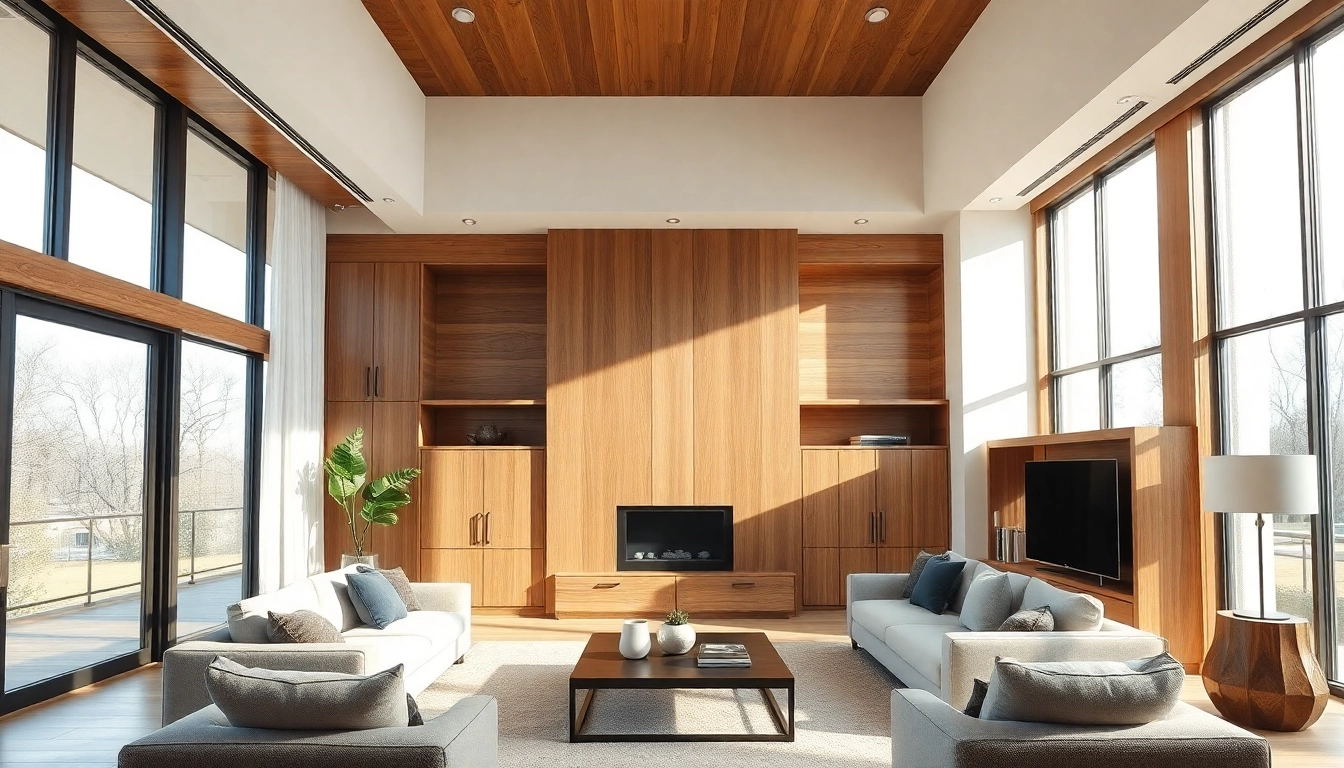
Interior architectural woodwork encompasses the design, fabrication, and installation of wooden components that enhance the interior aesthetic and functionality of a building. This includes moldings, paneling, cabinetry, and other custom wood elements that serve both practical and decorative purposes. The significance of interior architectural woodwork lies in its ability to transform spaces, adding warmth, character, and elegance while also providing structural integrity and utility.
Types of Interior Architectural Woodwork
There are several categories of interior architectural woodwork, each serving unique purposes:
- Moldings: Crown moldings, baseboards, and casings are used to cover joints and add visual interest.
- Cabinetry: Custom cabinets offer storage solutions while enhancing the overall design of kitchens, bathrooms, and living spaces.
- Paneling: Wall paneling can range from decorative wood to functional acoustic panels, offering both beauty and sound insulation.
- Stairs and Railings: Wood staircases and railings serve as focal points in homes and are often customized to match the architectural style.
Materials Used in Woodwork
The choice of material is crucial for durability and aesthetics. Commonly used materials include:
- Hardwoods: Species like oak, maple, and cherry are popular for their strength and beauty.
- Plywood: Used particularly for doors and cabinetry due to its stability and resistance to warping.
- MDF (Medium Density Fiberboard): This cost-effective option is often used for moldings and cabinetry where precision is key but solid wood may be too expensive.
- Engineered Wood Products: Laminates and veneers that mimic the appearance of solid wood while being more practical in terms of cost and maintenance.
Designing with Interior Architectural Woodwork
Key Considerations for Design
When designing with interior architectural woodwork, several factors must be considered:
- Style of the Space: Align woodwork styles with the overall design theme to ensure cohesion. Traditional spaces may benefit from rich, ornate moldings, while modern designs may favor clean lines and minimal details.
- Scale and Proportion: Ensure that woodwork sizes complement the dimensions of the room for a balanced look.
- Lighting: Plan for how light interacts with wood finishes, enhancing grain patterns and color depth.
Incorporating Different Styles
Integrating various design styles involves understanding the characteristics of each:
- Traditional: Features ornate moldings, rich woods, and intricate carvings.
- Contemporary: Emphasizes clean lines with minimal ornamentation, using wood as an accent.
- Rustic: Utilizes reclaimed wood and rough-hewn finishes to create a cozy, inviting environment.
Balancing Functionality and Aesthetics
The ideal design marries beauty with practicality. For instance, while custom cabinetry can offer stunning aesthetics, it must also provide adequate storage and accessibility. Using built-ins can save space while enhancing design elements, such as using shelving to showcase art or decor items.
Benefits of Interior Architectural Woodwork
Enhancing Property Value
Investing in quality interior architectural woodwork can significantly increase a property’s market value. Well-crafted wood elements are often viewed as premium features that attract potential buyers, making homes stand out.
Improving Aesthetic Appeal
Woodwork adds visual warmth and texture to spaces, creating an inviting atmosphere. The natural beauty of wood grain and the richness of its colors can transform any room, providing an added layer of sophistication that synthetic materials often lack.
Increasing Durability and Longevity
Quality wood, when properly treated, boasts a lifespan that surpasses many other materials. The durability of hardwoods, for instance, ensures that architectural woodwork remains functional and beautiful for years, making it a smart investment for both home and commercial spaces.
Challenges in Interior Architectural Woodwork Installation
Common Installation Issues
While woodwork can enhance spaces, its installation can present challenges, such as aligning trim pieces or ensuring even surfaces. Adequate planning and the use of skilled craftsmen can help mitigate these issues, providing a more seamless installation process.
Dealing with Budget Constraints
Quality woodwork can be an investment, and working within a budget may require compromises. Prioritizing specific areas of the project or selecting alternative materials can help maintain design integrity without overspending.
Finding a Professional Contractor
Choosing the right contractor is vital. Look for professionals with experience in architectural woodwork, verified references, and a portfolio that showcases similar projects. Engaging a skilled contractor can ensure the artistic vision and structural integrity of your woodwork are achieved.
Maintaining Your Interior Architectural Woodwork
Cleaning and Care Tips
To preserve the beauty of your woodwork, regular cleaning is essential. Use a soft, damp cloth to wipe surfaces, avoiding abrasive cleaners that could damage the finish. Periodic dusting and conditioning with a proper wood care product can protect the finish and extend its lifespan.
Repairing Common Damages
Wood can be susceptible to scratches, dents, and moisture. Simple repairs might include using a wood filler for scratches, or applying matching stain and finish to restore smaller blemishes. For serious damage, professional refinishing may be required.
Longevity Strategies for Woodwork
Protecting woodwork from extreme conditions is crucial for longevity. Install humidifiers in dry climates, and avoid placing furniture directly in front of heat sources. Regular inspections will help identify any issues before they escalate, ensuring your woodwork remains in top condition.
Frequently Asked Questions
What is interior architectural woodwork?
Interior architectural woodwork refers to custom wood elements used in a building’s interior, including moldings, cabinetry, and paneling that enhance aesthetic appeal and functionality.
What types of wood are best for interior woodwork?
Hardwoods like oak and maple are often recommended for their durability and beauty, while engineered products are also effective for specific applications.
How can I choose a style for my woodwork design?
Select a style that complements your overall decor theme, whether traditional, contemporary, or rustic, and consider the balance of form and function.
How do I maintain my interior woodwork?
Regular cleaning with a damp cloth and avoiding abrasive cleaners are crucial. Also, periodic conditioning with suitable products can help preserve the finish.
Can I install architectural woodwork myself?
While some homeowners may have the skills for simple installations, hiring a professional is recommended for complex projects to ensure quality and craftsmanship.