
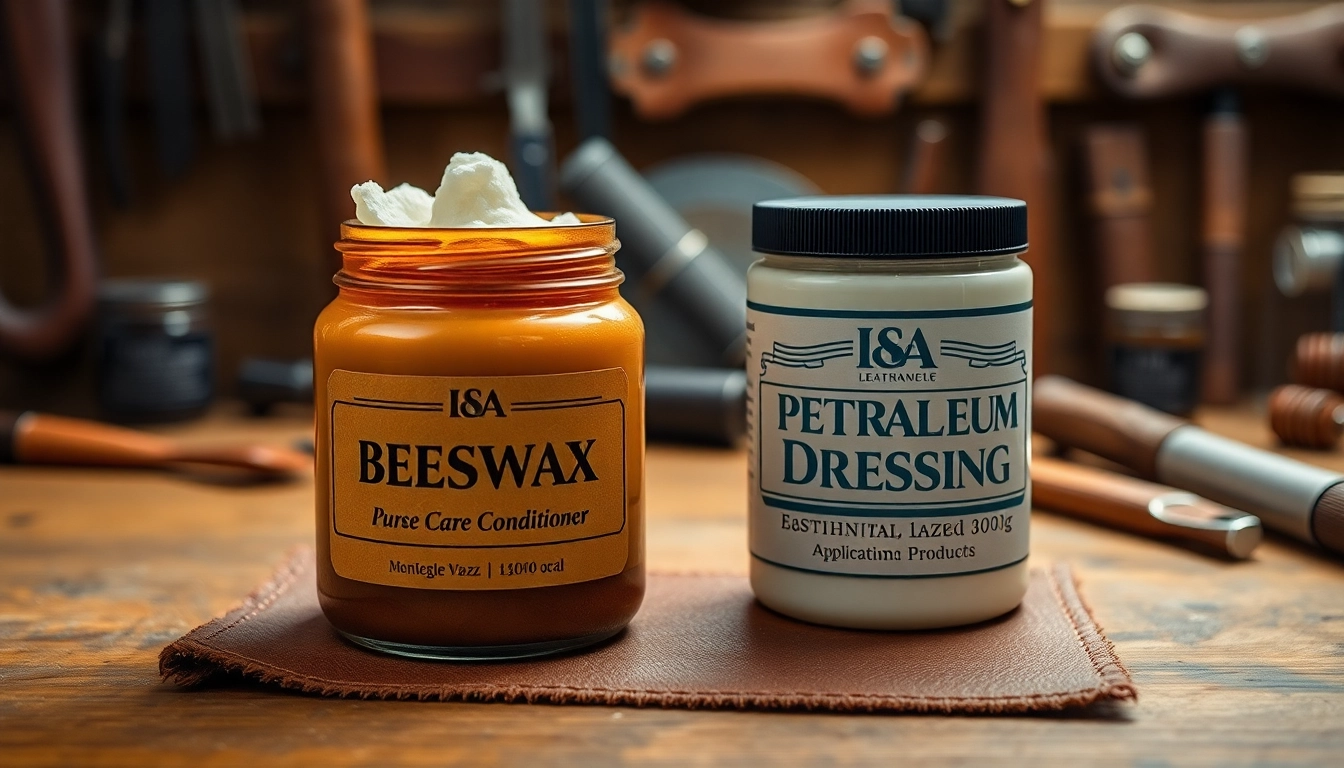
Introduction to Leather Care Products
Leather is a timeless and versatile material that has adorned human life for centuries, whether in garments, accessories, or furniture. Its durability and appeal, however, depend significantly on proper care and maintenance. This is where leather care products, especially conditioners and dressings, come into play. In recent years, there has been a growing debate in the leather care community regarding the effectiveness of natural versus synthetic solutions, specifically the comparison of Beeswax vs. Petroleum-based leather dressings.
Understanding Leather and Its Needs
Leather, a byproduct of animal hide processing, is porous and requires proper conditioning to retain its structure and aesthetic over time. It can be sensitive to varying humidity levels, dirt, and moisture. Without regular care, leather can dry out, crack, or lose its natural luster. Thus, it’s vital to choose suitable leather care options that nourish and protect.
Importance of Proper Conditioning
Proper conditioning not only enhances the appearance of leather but also prolongs its lifespan. Conditioning typically involves applying creams, oils, or waxes that replenish lost moisture and create a protective barrier against environmental damage. This is crucial for items like leather boots, jackets, and bags, as neglecting to care for them can lead to irreversible damage and deterioration.
Overview of Treatment Options
Leather treatment options span a broad spectrum. On one end, we have petroleum-based dressings that typically involve synthetic ingredients, and on the other end, natural options like beeswax offer an eco-friendly solution. Understanding the composition, benefits, and applications of each type can empower consumers to make informed decisions tailored to their leather care needs.
Beeswax: The Natural Leather Protector
What is Beeswax?
Beeswax is a natural wax produced by honeybees. Highly valued for its protective properties, it is derived from honeycomb and becomes a crucial ingredient in a variety of cosmetic and care products. Its unique structure allows it to provide a solid, water-resistant coating, making it ideal for preserving leather. Unlike synthetic options, beeswax is less processed and retains various natural compounds that enhance its effectiveness as a leather conditioner.
Benefits of Using Beeswax for Leather
One of the standout features of beeswax is its ability to form a breathable barrier on leather surfaces. This barrier helps to keep moisture in and pollutants out. Key benefits include:
- Natural Protection: Beeswax is a non-toxic, biodegradable option that doesn’t contain harsh chemicals, making it safer for both users and the environment.
- Moisture Retention: It aids in maintaining leather’s natural oils, preventing dryness and cracking.
- Enhanced Durability: Beeswax can rejuvenate leather by filling in microscopic cracks and giving it a polished look.
- Easy Application: While it can be solid, many beeswax leather conditioners are mixed with oils, making them user-friendly.
Applying Beeswax for Optimal Results
For best results, follow these steps when applying beeswax to leather:
- Preparation: Clean the leather surface thoroughly to remove dirt and grime.
- Application: Use a soft cloth or sponge to apply beeswax evenly. Smaller amounts are recommended as it can be difficult to work into larger areas.
- Buffing: Allow the wax to set for a few minutes, then buff it out with a clean, soft cloth to enhance the shine.
- Repeat: Depending on the leather type, repeating the application every few months can maintain its condition and appearance.
Petroleum-based Leather Dressings
Understanding Petroleum-based Products
Petroleum-based leather dressings are synthetic products that often include derivatives from crude oil along with additives such as mineral oil, lanolin, and other waxes. These products are designed to penetrate deep into leather, providing a much different application method than natural alternatives. They can make leather more supple and resistant to water.
Potential Drawbacks of Petroleum-based Dressings
While petroleum-based products offer certain immediate benefits, they also come with several notable drawbacks:
- Chemical Composition: Many petroleum products contain chemicals that can degrade stitching or weaken leather over time.
- Less Breathability: Unlike beeswax, which allows leather to breathe, petroleum-based products may create a seal that traps moisture within, potentially leading to mold growth.
- Environmental Concerns: The production and disposal of petroleum-based products often raise environmental issues, as they are non-biodegradable.
When to Choose Petroleum Treatments
Petroleum-based dressings may be suited for specific situations, such as:
- High-traffic footwear: Where durability against water and extreme conditions is paramount.
- Work gear: Such as leather gloves or aprons that undergo daily wear and tear.
- Deep conditioning: For older, well-worn leather items requiring intensive rejuvenation.
Comparative Analysis: Beeswax vs. Petroleum-based Leather Dressings
Durability and Protection Factors
In comparing beeswax and petroleum-based dressings, durability and protection are critical factors. Beeswax creates a breathable barrier that not only repels water but also prevents dirt and pollutants from penetrating the leather. In contrast, while petroleum-based products may initially offer a deep condition, their long-term effects can lead to weakening of leather, especially if excess moisture becomes trapped beneath the seal.
Environmental Impact and Safety Considerations
The environmental impacts of these products are starkly different. Beeswax is a natural byproduct that is fully biodegradable and doesn’t contribute to environmental degradation. On the other hand, petroleum-based products rely on fossil fuels and involve a lengthy processing lifecycle, contributing to pollution and carbon emissions. For environmentally conscious individuals, beeswax stands out as the safer, eco-friendly option.
Cost vs. Value in Leather Care
Cost is often a deciding factor when choosing a leather dressing. While petroleum-based products may seem less expensive upfront, the value diminishes when considering their long-term effects on leather longevity. Beeswax, while potentially pricier per ounce, tends to offer better value over time due to its protective properties and reduced need for frequent reapplication.
Conclusion and Recommendations
Choosing the Right Leather Care Method
In conclusion, the choice between beeswax and petroleum-based leather dressings should be made with an understanding of your specific leather care needs. For those seeking a natural, effective product that offers lasting protection with minimal environmental impact, beeswax emerges as a superior choice. Alternatively, petroleum options may still be valid for certain high-endurance applications but should be used cautiously.
Final Thoughts on Beeswax vs. Petroleum-based Leather Dressings
The ongoing debate between beeswax and petroleum-based leather dressings reflects broader questions regarding sustainability, health, and traditional craftsmanship. As consumers increasingly gravitate towards natural alternatives, products derived from beeswax are likely to gain popularity in leather care, embodying a return to simplicity, richness, and ecological awareness.
FAQs on Leather Treatment Options
1. Is beeswax safe for all types of leather?
Yes, beeswax is safe for most leather types and helps in conditioning without harmful chemicals.
2. Can petroleum-based products damage my leather?
Yes, petroleum-based products may weaken leather over time and could damage stitching or finishes.
3. How often should I apply beeswax on leather?
It’s recommended to apply beeswax every 3-6 months based on usage and exposure to elements.
4. Are there any disadvantages to beeswax treatments?
Beeswax can be challenging to apply in pure form and may require mixing with oils for best results.
5. What should I consider when selecting a leather treatment?
Consider environmental impact, care requirements, and the specific needs of your leather items before selecting a treatment.