Introduction to Tempranillo
Renowned as Spain’s flagship grape variety, Tempranillo has captured the hearts of wine enthusiasts worldwide. Famous for its rich flavors and unique aromas, Tempranillo has become synonymous with Spanish wine culture, finding a place in wines that range from youthful and vibrant to complex and age-worthy. Its versatility allows it to adapt to various winemaking styles, thus appealing to an expansive audience. This article will delve into the multifaceted world of Tempranillo, exploring its history, tasting notes, regions of production, food pairing opportunities, and frequently asked questions.
What is Tempranillo?
Tempranillo is a red grape variety primarily grown in Spain and Portugal, revered for its ability to produce high-quality red wines. The grape thrives in various climates, yet it typically flourishes in areas with moderate temperatures and well-drained soils. Tempranillo’s adaptability allows winemakers to craft a diverse array of styles, from fresh and fruity wines to rich and concentrated vinos that reflect the terroir of their origins.
The History of Tempranillo
Dating back hundreds of years, Tempranillo is believed to have been cultivated in the Iberian Peninsula since the ancient times of the Romans. Its name is derived from the Spanish word “temprano,” meaning early, referring to its tendency to ripen earlier than other grape varieties. Historically, Tempranillo has played a pivotal role in defining the wine landscape of regions such as Rioja and Ribera del Duero, contributing to the development of Spain’s wine identity.
Why Choose Tempranillo?
Choosing Tempranillo means choosing a wine rich in history and flavor. The grape’s robustness makes it ideal for a range of food pairings, enhancing culinary experiences. Its complex flavor profile often includes notes of cherry, plum, and leather, which evolve with age, offering a sophisticated drinking experience. Moreover, Tasters frequently note Tempranillo’s smooth tannins and balanced acidity, making it accessible for both novice wine drinkers and connoisseurs alike.
Tasting Notes of Tempranillo
Flavor Profile and Aromas
Tempranillo wines are celebrated for their diverse flavor profiles. A young Tempranillo often exhibits vibrant fruit flavors including cherry, raspberry, and plum. As it matures, more complex notes emerge, such as dried fig, tobacco, leather, and spice. The interplay of fruit and earthy tones creates an alluring bouquet and palate that leaves a lasting impression.
Color and Appearance
Visually, Tempranillo wines are typically ruby red, but they can vary in hue, reflecting their age. Young wines usually show a bright, youthful color, while aged varieties develop deeper garnet or even brick-like shades. Observing the wine’s color can offer insights into its age and potential flavor profile, providing an anticipatory experience even before tasting.
Ageing and Complexity
Tempranillo’s capacity for aging is one of its most attractive attributes. When aged in oak barrels, the wine absorbs flavors that enhance its complexity. These aging processes can add vanilla, clove, and cedar notes, while also softening tannins for a more harmonious finish. High-quality Tempranillo wines can enjoy decades of aging, offering a dynamic tasting journey as they evolve over time.
Regions That Produce Tempranillo
Renowned Regions for Tempranillo
The most famous regions for producing Tempranillo include Rioja, Ribera del Duero, and Toro in Spain. Each of these areas brings unique characteristics to the wine due to variations in climate, soil, and winemaking practices. Rioja is particularly well-known for aging processes, while Ribera del Duero is appreciated for its bold, fruit-forward expressions of Tempranillo.
The Influence of Terroir
Terroir plays a crucial role in shaping the characteristics of Tempranillo wines. Factors such as soil composition, climate, and altitude significantly affect grape development. In regions like Rioja, the clay and limestone soils contribute to well-structured wines with balanced acidity, while the higher altitude of Ribera del Duero creates wines that maintain fruit freshness and enhanced complexity, showcasing the distinctiveness of each terroir.
Comparing Regions: Spain vs Portugal
While Spain is most commonly associated with Tempranillo, Portugal also cultivates the grape, often under the name Tinta Roriz. In both countries, Tempranillo expresses its characteristics distinctly influenced by local varieties and winemaking practices. Spanish Tempranillo tends to be more fruit-driven and structured, while Portuguese expressions may showcase a blend with indigenous varieties, presenting a broader flavor spectrum.
Food Pairing with Tempranillo
Best Dishes to Pair
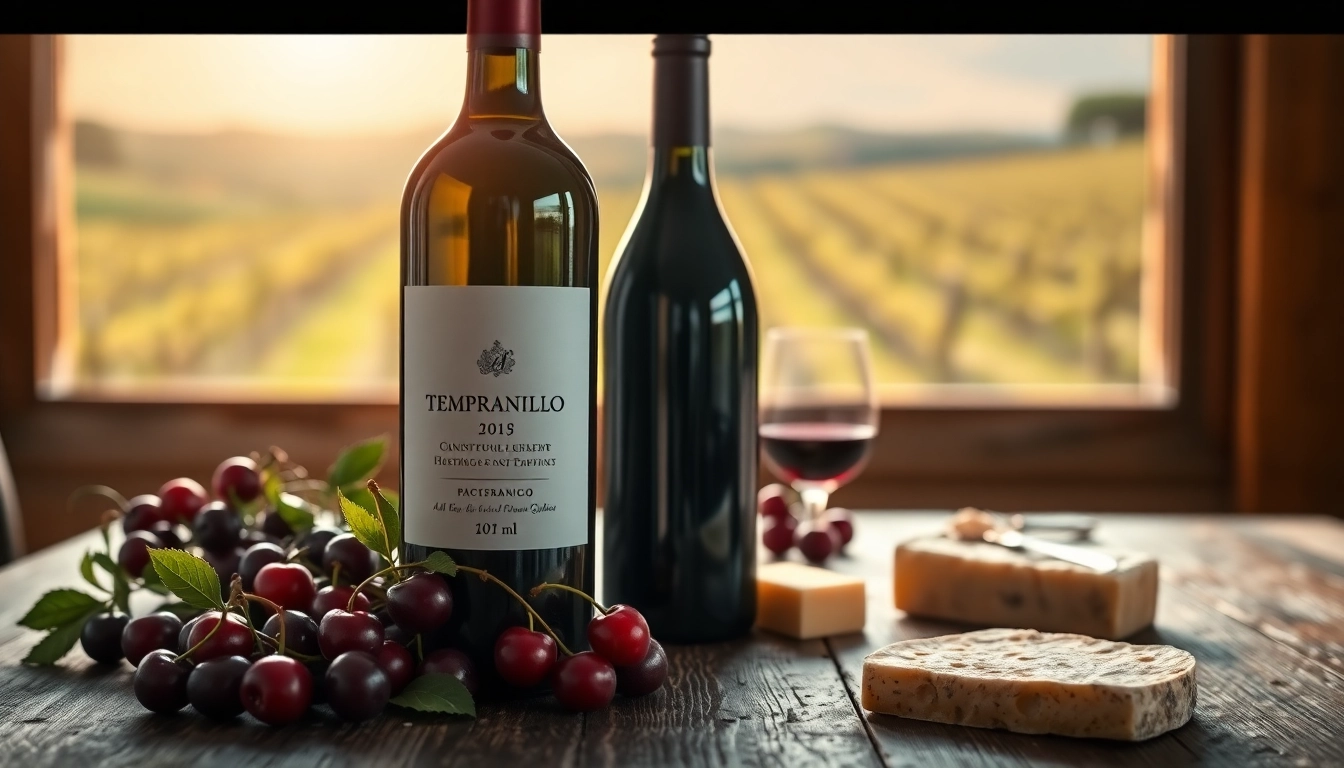
Tempranillo’s versatility shines through in its pairing capabilities. Light-bodied versions pair well with grilled vegetables, poultry, and mild cheeses, while fuller-bodied Tempranillo complements richer dishes like lamb, beef, and aged cheeses. The wine’s flavorful profile can enhance the complexity of dishes like paella or tapas, making it a fantastic companion for various culinary experiences.
Serving Temperature and Glassware
For optimal enjoyment, Tempranillo is best served slightly below room temperature, typically around 60 to 65 degrees Fahrenheit. Utilizing a standard red wine glass with a wider bowl allows for better aeration, enhancing the aromatic experience. This setup transforms a casual meal into a refined dining experience, elevating the enjoyment of both food and wine.
Creating a Tempranillo Tasting Menu
Curating a Tempranillo tasting menu can be an engaging experience. Start with lighter appetizers like charcuterie, progressing to heartier main courses featuring grilled meats or rich stews. Finish with a selection of desserts incorporating dark chocolate or fruit compotes to complement the wine’s fruity notes. A thoughtfully designed tasting menu allows for a vivid exploration of Tempranillo’s complexity and dynamism.
Frequently Asked Questions about Tempranillo
What does Tempranillo taste like?
Tempranillo features a flavor profile characterized by ripe cherry, plum, and dried fig, along with earthy notes like leather and tobacco. Younger wines tend to be fruitier, while aged varieties evolve to exhibit deeper, more complex flavors.
Is Tempranillo similar to Shiraz?
Tempranillo and Shiraz both have bold flavors, but Tempranillo is generally more structured with a linear presentation, while Shiraz is fuller and more enveloping. These differences influence their respective food pairings.
How should I store my Tempranillo?
Store Tempranillo in a cool, dark place, ideally at 55°F. Horizontal storage in a wine rack helps to keep the cork moist. Avoid temperature fluctuations to preserve quality, especially for wines intended for aging.
What foods pair best with Tempranillo?
Tempranillo pairs beautifully with grilled meats, rich stews, and aged cheeses. It also complements Mediterranean dishes, including paella and tapas, allowing the wine’s complexity to enhance the meal’s flavors.
Can Tempranillo be aged?
Absolutely, Tempranillo is known for its aging potential. High-quality bottlings can age for several years, developing complex flavors over time, making it a favorite among collectors and connoisseurs alike.