Environmental work often takes place where people cannot stay for long: polluted water, unstable ground, dense vegetation, or remote coastlines. Robots can carry sensors, collect images, and repeat the same task without exposing a worker to every hazard. The value comes from the work they can repeat, not from the label attached to them.
Quick read
- Robots can gather measurements in places that are unsafe, remote, or tiring for people.
- The useful system may be a small vehicle, a drone, a fixed sensor, or a robot boat.
- Better decisions still depend on sensor quality, data checks, and people who understand the site.
The work robots can take on
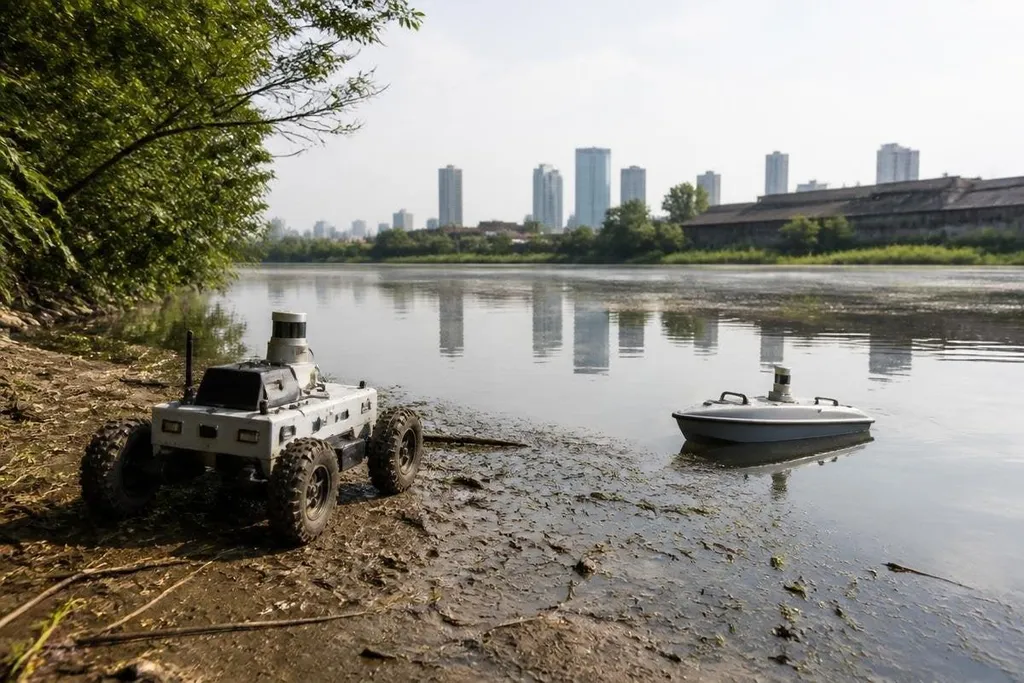
Environmental robots do several kinds of work. A ground robot can carry cameras or air sensors through an industrial site. A drone can inspect a stretch of land from above. A small boat can collect water measurements without sending a person onto the water.
The robot is useful when the task needs repeated visits or steady movement through a difficult place. It can follow a planned route, return to marked points, and record measurements in the same format each time. That makes changes easier to compare across visits.
This does not mean the robot replaces field staff. People still choose the survey area, check whether the readings make sense, and decide what action follows. The machine handles movement and collection; people handle context and judgment.
Why repeatable data matters
A single inspection can show a problem. Repeated inspections show whether the problem is growing, shrinking, or moving. Robots can make those repeat visits easier when travel, weather, distance, or site hazards would otherwise limit the work.
Cameras and other sensors also let teams examine places from a safer distance. A robot may spot a change in vegetation, surface condition, water color, or equipment status, but the image alone may not explain its cause. A visible change still needs a qualified person and, in some cases, a physical sample.
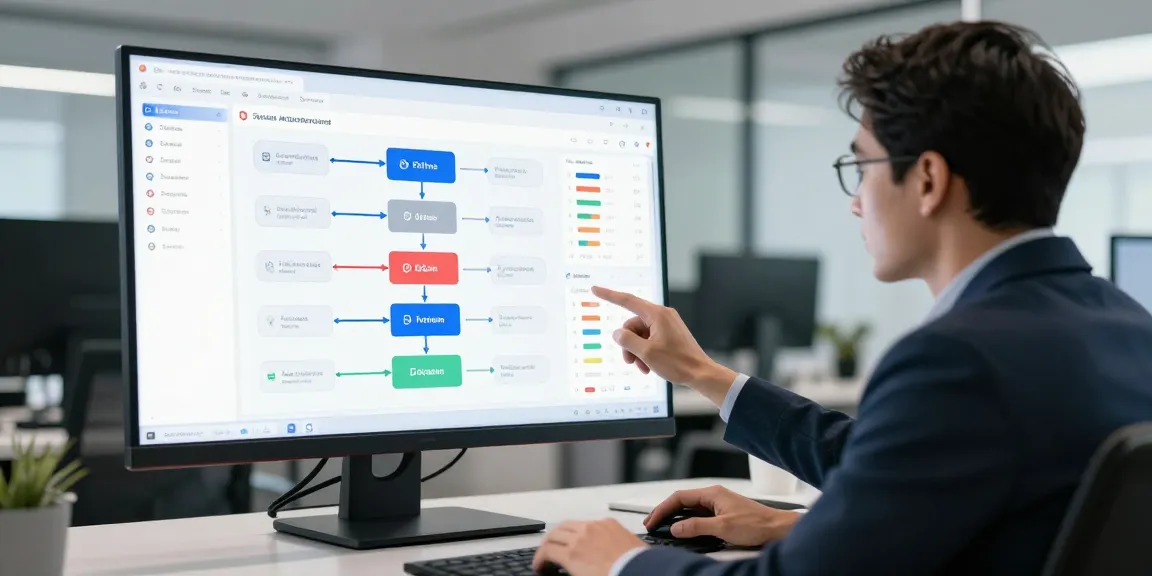
The data path matters as much as the robot. Each reading needs a time, location, sensor record, and clear link to the task. Without that information, a large pile of images can be hard to compare or act on.
Where the limits show up
Outdoor robots face ordinary problems that indoor systems can avoid. Mud can block wheels. Water can damage electronics. Wind can move a drone away from its planned route. Dust, rain, glare, and changing light can also affect cameras and sensors.
A system that works on one site may need new software, mapping, or protection on another. The ground may change, access routes may close, and local rules may limit flights or water operations. These details can turn a short demonstration into a longer deployment task.
Autonomy has limits too. A robot may follow a route well until it meets an object, surface, or condition missing from its map. A person needs a clear way to stop the system, review its data, and take over when the plan no longer fits the site.
That is why environmental robotics needs more than a mobile platform. It needs a full process for planning, safe operation, data review, maintenance, and storage.
I think the strongest case is repeatable monitoring, not a promise that robots can make every environmental decision alone.
An environmental robot’s result needs its sensor, site, task, and date beside the number. Reports at Robot 24 can place those details with the machine before the next section sets out the checks a buyer should make.
How to judge a system before buying it
A team comparing systems should start with the job, then check whether the robot fits the site and the data plan. This short list keeps the purchase tied to the work:
- Define the measurement: name the sensor, sample, image, or inspection result the team needs.
- Map the site: record ground, water, weather, access, signal coverage, and safe recovery points.
- Check the duty cycle: estimate travel time, battery use, charging, cleaning, and time between visits.
- Plan human control: set who can pause the robot, review readings, and take over during a fault.
- Test the data flow: confirm that each result keeps its time, location, sensor details, and operator record.
- Price the whole job: include training, transport, spares, repairs, software, storage, and staff time.
A system that moves well but produces poorly labeled data may create more work for the team. A slower robot with a clear route, dependable records, and easy recovery can fit the job better.
Environmental robots are becoming more useful because monitoring is often repetitive, spread across difficult sites, and tied to safety. The next question for any project is specific: which measurement must be repeated, and can the robot collect it well enough for a person to act?