Understanding Structural Steel Installation
Basics of Structural Steel
Structural steel is a category of steel used for making construction components. It is renowned for its high strength-to-weight ratio, enabling the creation of robust frameworks that can sustain substantial loads. Typically produced as beams, columns, and plates, structural steel is manufactured in specific shapes and grades to meet diverse building requirements. Key distinctions among various types of structural steel include carbon steel, alloy steel, and stainless steel, each chosen based on the project's demands for strength, durability, and environmental resistance.
Importance of Structural Steel Installation
The installation of structural steel is critical to the integrity and safety of a building. A well-executed installation ensures that the structural framework can effectively distribute loads and withstand environmental forces, such as wind and seismic activity. Moreover, structural steel installation is vital for maintaining the design aesthetics and functionality of a structure, supporting everything from residential homes to skyscrapers. The precision of installation directly influences the longevity and maintenance of the building, making it essential for contractors to adhere to high-quality standards throughout the process.
Common Applications in Construction
Structural steel is employed in a variety of construction projects, including:
- Commercial Buildings: High-rise buildings frequently utilize structural steel for its strength and adaptability.
- Bridges: Steel’s tensile strength is imperative for constructing durable and safe bridge frameworks.
- Industrial Facilities: Factories often rely on structural steel for buildings that accommodate heavy machinery.
- Residential Construction: Increasingly, residential communities are incorporating steel framing for modern, durable homes.
Planning Your Structural Steel Installation
Project Timeline and Scheduling
Effective planning is paramount for successful structural steel installation. Establishing a detailed project timeline involves several steps:
- Defining Project Scope: Understand the specific requirements and scope of the installation project, which helps in setting realistic timelines.
- Milestone Creation: Set critical milestones along the timeline, including procurement of materials, installation phases, and inspections.
- Coordination with Other Trades: Schedule installation in a way that works with plumbing, electrical, and HVAC systems to ensure smooth execution.
Materials and Equipment Required
To facilitate a successful installation of structural steel, several materials and equipment are necessary:
- Steel Components: Ensure all pre-fabricated steel components are delivered and inspected for quality.
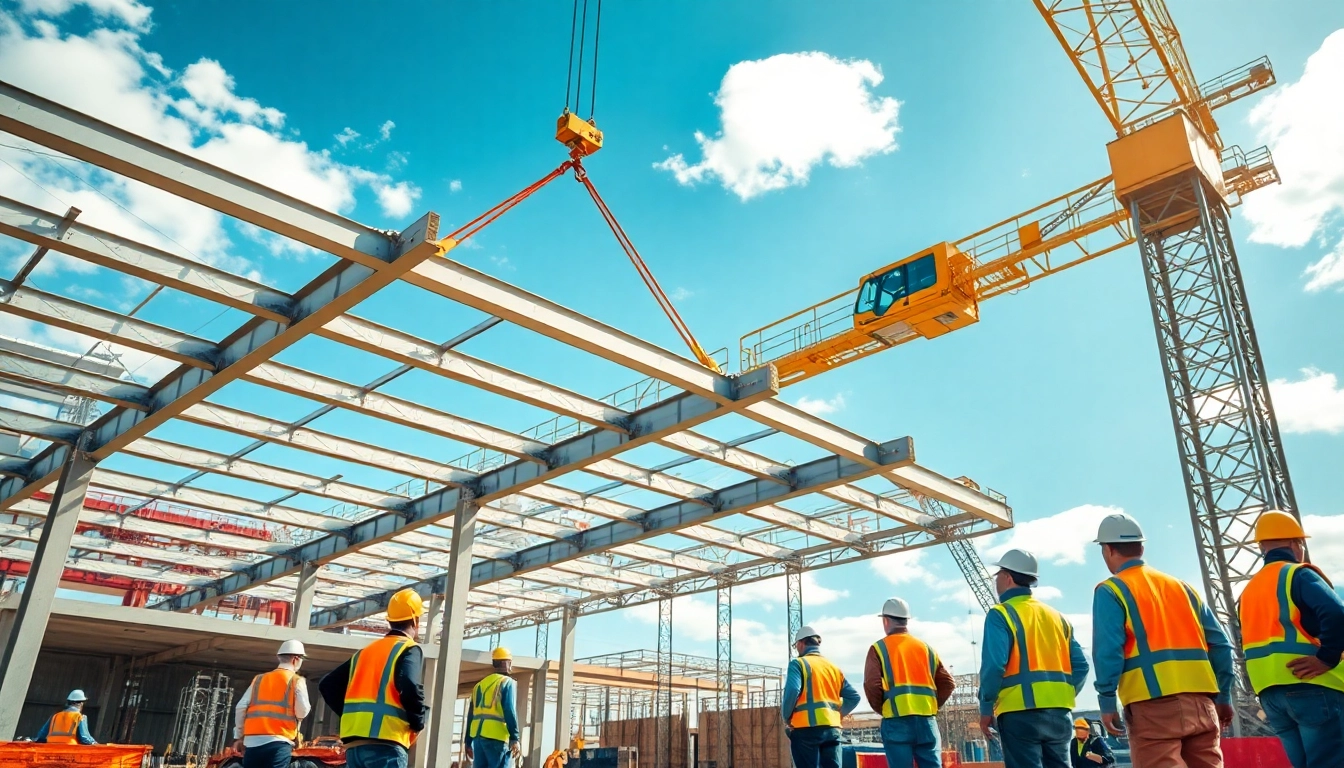
- Heavy Equipment: Cranes, forklifts, and specialized connectors are vital for handling and positioning steel components.
- Fasteners and Tools: Bolts, nuts, and welding equipment are essential for securing steel joints.
Risk Assessment and Safety Measures
No construction project is devoid of risks. Conducting a thorough risk assessment ahead of time is essential for mitigating potential dangers during installation:
- Identify Hazards: Recognize risks such as falling objects, equipment malfunctions, and hazardous materials on-site.
- Implement Safety Protocols: Establish safety procedures, including mandatory PPE for workers, to minimize injuries.
- Continuous Training: Ongoing safety training for crew members enhances awareness and preparedness for potential risks.
Best Practices for Effective Installation
Techniques for Precise Installation
Precision is essential in the installation phase to ensure the structure's stability. Techniques that enhance accuracy include:
- Mock-Up Assemblies: Create prototypes to foresee challenges in the actual assembly context.
- Use of Advanced Leveling Techniques: Employ laser levels and alignment tools to guarantee components are installed correctly.
- Regular Inspections: Conduct frequent checks during the installation process to catch and correct potential issues early.
Quality Control in Steel Framework
Quality control is crucial for maintaining the structural integrity of steel frameworks. The following practices are essential:
- Material Testing: Ensure all steel is tested for compliance with industry standards before installation.
- Welding Inspections: Use qualified inspectors to review welds and connections as they can affect load-bearing capabilities.
- Documentation: Maintain accurate records of inspections and tests to assist in any future modifications or repairs.
Collaboration with Engineers and Architects
Successful structural steel installations require seamless collaboration among various professionals:
- Involve Engineers Early: Engage structural engineers during planning to address requirements early on and streamline the process.
- Regular Meetings: Schedule ongoing meetings to review progress and discuss modifications, aligning the project with architectural vision.
- Feedback Loop: Maintain open lines of communication for immediate feedback, facilitating swift adjustments and decisions.
Challenges in Structural Steel Installation
Common Issues and Solutions
Various challenges can arise during the installation of structural steel, necessitating effective solutions:
- Material Delays: Supply chain disruptions can delay projects; hence, advance ordering and establishing multiple suppliers is advisable.
- Design Changes: Unforeseen changes may occur, requiring quick adaptations; always maintain a flexible approach to respond.
- Site Conditions: Complications due to location specifics can arise; conduct thorough site assessments before actual installation.
Weather Impacts on Installation
Weather can dramatically affect the construction schedule. Here’s how to mitigate risks:
- Monitoring Conditions: Regularly check weather forecasts and have contingency plans for severe conditions.
- Scheduling Around Weather: Build installation timelines that account for seasonal weather patterns to avoid halts in work.
- Protecting Materials: Ensure materials are stored and protected from adverse weather to maintain quality.
Handling Delays and Setbacks
Delays in construction projects are common and can be handled effectively through these tactics:
- Preparedness: Have a risk management plan that specifically includes mitigation strategies for known potential setbacks.
- Transparent Communication: Keep stakeholders informed to manage expectations and encourage collaboration on solutions.
- Resource Allocation: Consider reallocating resources to critical aspects of the project to maintain momentum during setbacks.
Future Trends in Structural Steel Installation
Advancements in Technology
The structural steel industry is evolving, driven by technological advancements. Noteworthy trends include:
- BIM Technology: Building Information Modeling enhances collaboration and foresees challenges in design and installation.
- Drones and Robotics: The use of drones for site surveys and robots for repetitive tasks holds the potential to drastically improve efficiency.
- 3D Printing: Developments in 3D printing for temporary fixtures and molds can streamline installation processes.
Sustainable Practices in Steel Construction
The construction sector is increasingly focusing on sustainability. Key practices to consider include:
- Recycled Steel Use: Incorporating recycled materials reduces waste and supports a circular economy.
- Energy Efficient Methods: Identify energy-efficient construction methods to minimize the carbon footprint during installation.
- Design for Longevity: Plan structures preemptively with future recycling or reusability in mind to enhance longevity.
Looking Ahead: Industry Innovations
Looking toward the future, the structural steel industry is poised for innovation through:
- Modular Construction: Prefabricated steel components expedite on-site assembly, improving efficiency and reducing labor costs.
- Smart Steel Elements: Integrating sensors in steel can lead to structures that can monitor their own integrity over time.
- Enhanced Collaboration Tools: Future methodologies will likely involve improved software solutions for real-time collaboration among stakeholders.