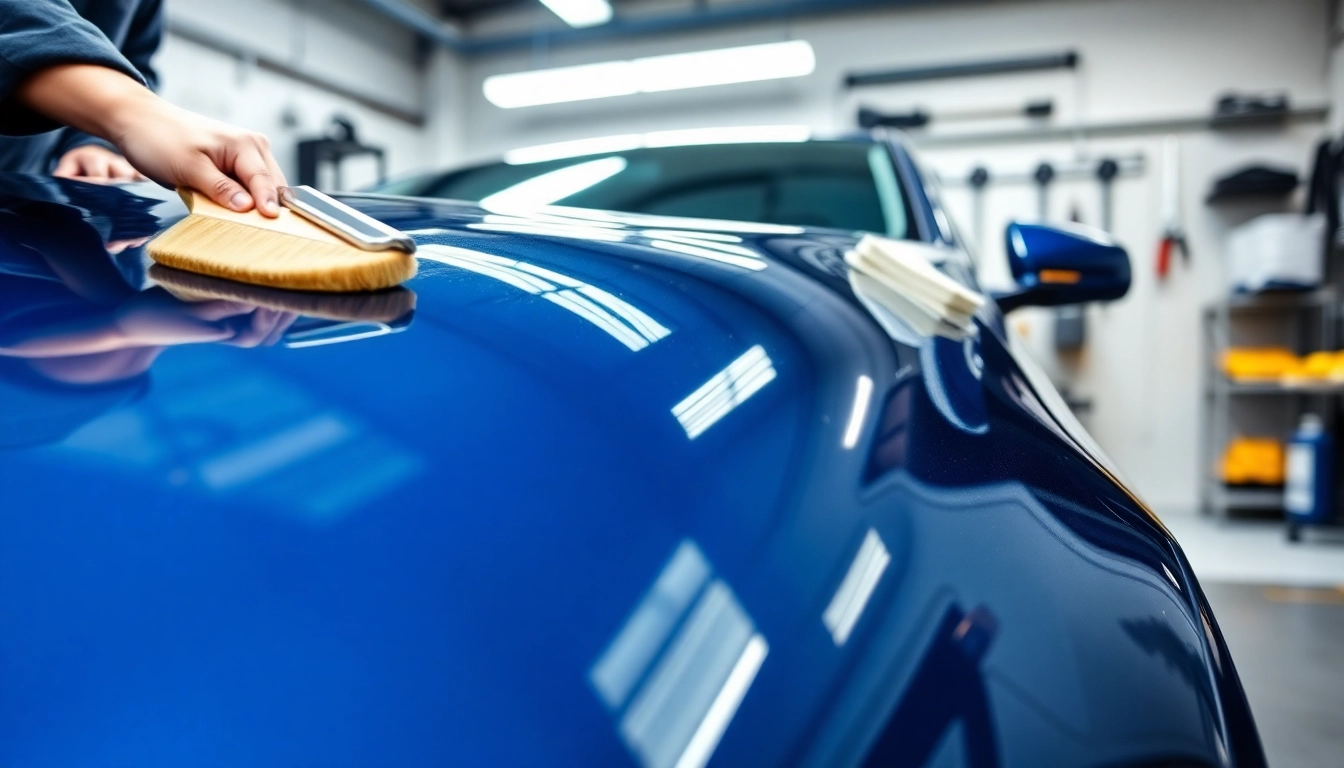
Understanding Salt Protection Ceramic Coating
What is Salt Protection Ceramic Coating?
Salt protection ceramic coating is a sophisticated protective layer designed to shield vehicles from the corrosive effects of salt, which can be especially damaging in winter months or coastal regions. This technologically advanced product is formulated from silica and thermopolymer, enabling it to create a strong bond with the vehicle's paintwork, thereby providing a durable, long-lasting shield against external elements. Unlike traditional coatings, salt protection ceramic coating forms a hard hydrophobic layer that repels water and contaminants, making maintenance easier and enhancing the aesthetic appeal of your vehicle.
Benefits of Using Salt Protection Ceramic Coating
The benefits of salt protection ceramic coating extend beyond mere aesthetics. Here are some of the most significant advantages:
- Corrosion Resistance: Protects against rust and degradation caused by road salt.
- UV Protection: Prevents fading and oxidation from harmful UV rays.
- Hydrophobic Properties: Water beads off the surface, making it difficult for dirt and grime to adhere.
- Enhanced Durability: Outlasts traditional wax or sealants, requiring less frequent applications.
- Improved Resale Value: Maintains original paint quality, thereby increasing the vehicle's value over time.
How Salt Protection Ceramic Coating Works
Salt protection ceramic coating functions at a molecular level. When applied, the coating's nanoparticles penetrate the vehicle's clear coat, establishing a robust bond that enhances the surface's hardness. This interaction does not just create a physical barrier but also alters the characteristics of the paint surface itself. The high-gloss finish produced by the coating also enhances the vehicle's appearance while providing protection.
Application Process of Salt Protection Ceramic Coating
Preparing the Vehicle Surface
Before applying a salt protection ceramic coating, proper preparation is crucial. This involves a thorough cleaning of the vehicle to remove all contaminants such as dirt, wax, and previous sealants. Here are the essential steps:
- Wash: Use a pH-neutral car shampoo to adequately clean the vehicle.
- Decontaminate: Use a clay bar treatment to remove embedded particles.
- Polish: If there are scratches or imperfections, a light polish will help restore the surface.
- IPA Wipe: Clean the surface with isopropyl alcohol to ensure proper bonding by removing any oils or residues.
Step-by-Step Application Guide
Applying the coating should be done in a well-ventilated area, ideally out of direct sunlight, to ensure optimal curing. Follow these steps for application:
- Apply the Coating: Use a soft microfiber applicator to spread the coating evenly across the surface.
- Work in Sections: Focus on one small area at a time to prevent the coating from curing before you finish buffing.
- Buff the Surface: Once applied, use a microfiber towel to gently buff away any excess and achieve a uniform finish.
- Repeat: Depending on the product, you may need multiple layers for enhanced protection.
Post-application Care Tips
After the application of the salt protection ceramic coating, let it cure as per the manufacturer’s instructions. Maintenance is vital for longevity:
- Avoid Washing: Refrain from washing for the first week to allow the coating to cure fully.
- Routine Maintenance: Regularly wash using a pH-neutral soap, and consider using a ceramic-specific maintenance spray.
- Inspections: Regularly check the coating for any wear or damage, especially after harsh weather conditions.
Comparing Salt Protection Ceramic Coating with Traditional Wax
Durability and Longevity
One of the key distinctions between salt protection ceramic coating and traditional wax is durability. While wax may protect your vehicle for a few weeks, ceramic coatings can last several years with proper care. This enhanced longevity makes salt protection ceramic coating a superior investment for vehicle owners looking for sustainable protection.
Cost-Effectiveness
While salt protection ceramic coating may have a higher upfront cost, it proves to be cost-effective in the long run. With its durability, vehicle owners will find themselves spending less on reapplications and repairs. The value retained from the vehicle’s resale perspective also outweighs the initial investment.
Maintenance Requirements
Another contrast lies in maintenance. Traditional wax requires frequent reapplication, often every month or two, to maintain its protective features. On the other hand, once applied, salt protection ceramic coating can remain effective for years, requiring only routine washes and occasional maintenance sprays.
Common Challenges and Solutions
Issues During Application
Like most coatings, several issues may arise during application, such as improper surface preparation or environmental influences. The key to successful application is meticulous preparation and working under optimal conditions. Ensuring the vehicle is clean, dry, and cool will mitigate surface imperfections.
Maintaining Performance Over Time
As with any protective coating, maintaining the performance of a salt protection ceramic coating requires diligence. Regular inspections to check for wear, and using compatible cleaning products will help ensure long-lasting protection. Employing a maintenance plan can further extend its lifespan.
Resolving Surface Imperfections
If scratches or imperfections do occur, they can sometimes be resolved with a light polish to restore the surface before reapplying a layer of ceramic coating if necessary. This preventive measure can eliminate the need for a complete strip and redo of the coating.
Frequently Asked Questions about Salt Protection Ceramic Coating
How long does salt protection ceramic coating last?
When applied correctly, salt protection ceramic coating can last between 2 to 5 years, depending on environmental factors, maintenance, and quality of the application.
Can I apply the coating myself?
Yes, with the right tools and instructions, vehicle owners can apply the coating themselves, though professional application may yield superior results.
Is ceramic coating resistant to scratches?
While salt protection ceramic coating does provide a stronger surface than wax, it is not completely scratch-proof but can resist minor scratches and swirl marks.
How do I maintain my ceramic coating?
Maintain your ceramic coating through regular washing with a pH-neutral soap and using maintenance sprays designed for ceramic coatings to enhance durability.
What are the cost factors for salt protection ceramic coating?
The cost can vary based on the product used, application process, size of the vehicle, and whether applied professionally or as a DIY project.