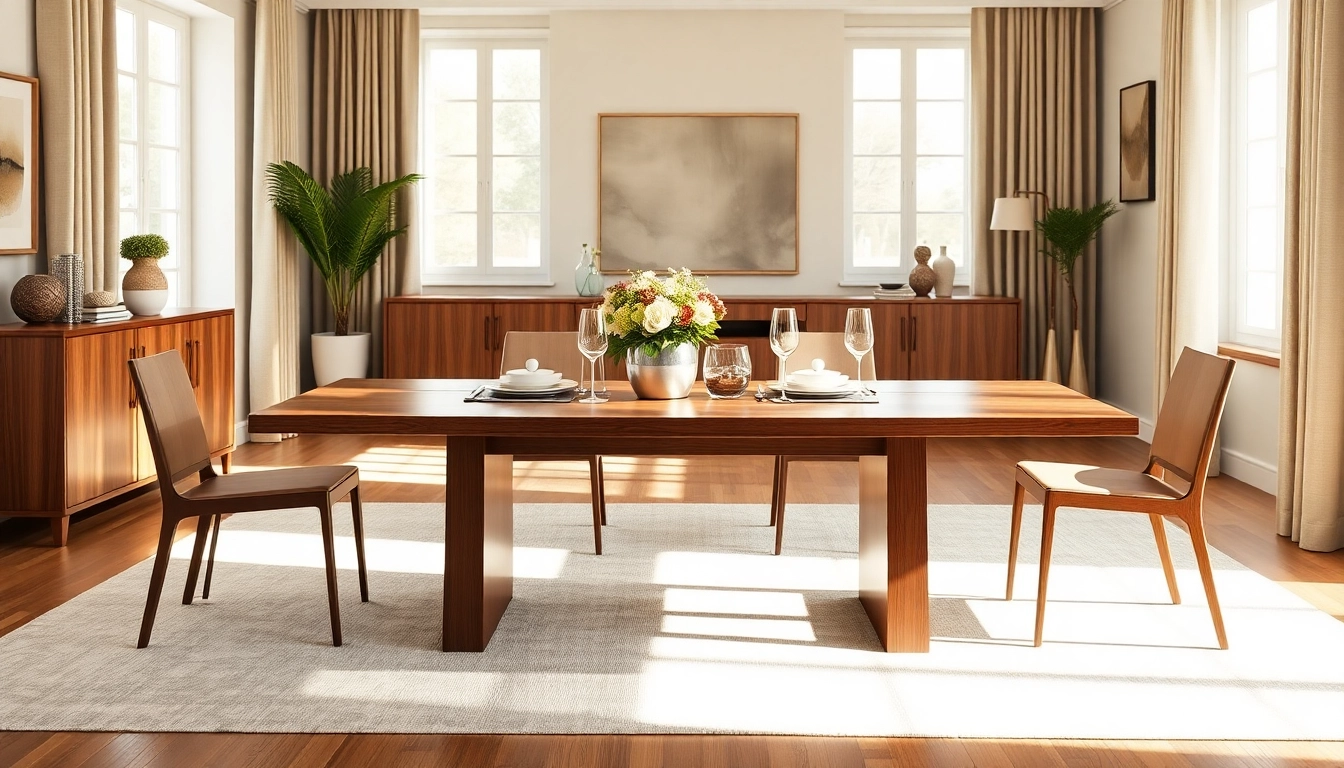
Understanding Extension Tables
Definition and Functionality
Extension tables are versatile dining solutions designed to accommodate varying numbers of diners by adjusting the table's size. These tables can expand to create extra surface area, making them ideal for hosting gatherings, parties, or family dinners while allowing for everyday use as more compact furniture. The functionality predominantly revolves around a mechanism that allows for the inclusion or removal of additional leafs, typically inserted into the center of the table.
For households that entertain frequently or those that host family members for holidays, Extension tables provide a practical answer to the size dilemmas that often arise. With a variety of shapes, sizes, and styles, these tables cater to diverse tastes and needs, enhancing the dining experience while maintaining aesthetic appeal.
Types of Extension Tables
Extension tables come in several configurations, designed to suit various spaces and preferences. The primary types include:
- Drop Leaf Tables: Characterized by hinged sections that can be folded down when not in use, making them perfect for smaller spaces.
- Butterfly Leaf Tables: Feature a leaf that folds and stores within the table structure itself, offering seamless expansion.
- Pull-Out Leaf Tables: Allow the ends of the table to pull apart, creating space for an inserted leaf that extends the length.
- Extendable Pedestal Tables: Often found in round shapes, these tables have a central pedestal that provides stability and more room at the base for leg movement.
Each type presents unique advantages, thus catering to different lifestyles and home configurations.
Benefits of Extension Tables
The adoption of extension tables in homes presents numerous benefits:
- Space-Efficient: Ideal for homes with limited dining space, extension tables can be compact when not expanded.
- Versatility: Easily adjustable, they adapt swiftly to the varying sizes of your gathering, accommodating everything from cozy family meals to larger celebrations.
- Cost-Effective: By serving multiple purposes, extension tables can reduce the need for purchasing multiple dining sets.
- Design Diversity: Available in various styles, from modern minimalist to rustic farmhouse aesthetics, they can enhance your home’s décor.
Choosing the Perfect Style
Contemporary vs. Traditional Designs
When selecting an extension table, it's critical to consider style compatibility with your existing furnishings. Contemporary designs tend to emphasize clean lines and functionality, often utilizing materials such as glass and metal. In contrast, traditional designs usually feature ornate details and rich woods, bringing a sense of warmth and timelessness.
To ensure the chosen extension table complements your home, evaluate the overall theme of your interiors. A modern setting benefits from sleek, geometric shapes, while classic decor may look better with intricately carved wooden surfaces.
Material Selection for Extension Tables
The material of your extension table plays a significant role in its durability and aesthetic appeal. Common materials include:
- Wood: A classic choice, offering warmth and timeless beauty. Hardwoods such as oak or walnut are particularly durable and can take on beautiful finishes.
- Glass: Provides a light, airy feel and can make spaces appear larger. However, they require careful handling to avoid scratches and breakage.
- Metal: Often used for modern designs, metal can offer both an industrial vibe and robustness.
- Composite Materials: Engineered wood or laminate can simulate the look of wood while being easier to maintain.
Understanding the pros and cons of each material will aid in selecting the best choice for your lifestyle.
Color and Finish Options
The color and finish of an extension table also influence its integration into your home. Natural wood finishes contribute to a rustic feel, while painted tables can add a splash of color to a neutral room. Metallic finishes can provide a modern twist, complementing contemporary décor.
In addition, consider how the color schemes of adjacent rooms influence your choice. Selecting a table that either contrasts or harmonizes with your surrounding palette can enhance the overall aesthetic.
Size and Measurement Considerations
Measuring Your Space for Extension Tables
Before making a purchase, accurately measuring your dining space is essential. You should account for:
- The length and width of your room to ensure the table fits comfortably.
- The clearance needed for chairs and movement around the table. A minimum of 36 inches is generally recommended.
- The height of your ceiling; low ceilings can make large tables feel overwhelming and may necessitate selecting lower-profile options.
Recommended Dimensions and Capacities
Extension tables come in various dimensions, thus catering to different needs. Generally, a dining table should provide at least 24 inches of space per diner. Consider the following combinations based on your typical guest count:
- For up to 4 diners: A table size of 36” x 60” or a circular table of 48” diameter is ideal.
- To host 6-8 diners comfortably: Opt for dimensions of 72” x 42” or a round table of 60” diameter.
- For 10 or more diners: A table extending upwards of 96 inches is recommended.
Optimizing Space with Extension Tables
To maximize space efficiency, place the extension table in a multi-functional area where it can serve as a workspace or a dining table. Utilizing furniture with built-in storage for extra leaves or other dining essentials can also help maintain a clutter-free environment.
Consider a design that fits seamlessly with existing furniture so that it does not dominate the space when not in use. Stools or compact chairs can be moved around as needed without constraining traffic flow.
Maintenance and Care
Cleaning Materials Used for Extension Tables
Proper care for extension tables depends primarily on the materials used. Here are some general maintenance tips:
- For wooden tables, use a soft cloth and a gentle wood cleaner. Avoid excess water, as it can warp or damage the wood.
- Glass tables should be cleaned with a glass cleaner and a microfiber cloth to prevent streaks.
- Metal surfaces can usually be wiped down with a damp cloth, but be sure to dry them quickly to avoid rusting.
Avoiding Common Damage
Taking proactive measures can prevent common issues, such as:
- Using placemats and coasters to avoid scratches and heat damage.
- Avoiding harsh chemicals that can strip finishes or dull surfaces.
- Regularly inspecting joints and mechanisms to ensure everything operates smoothly and safely.
Long-term Care Tips
Long-term care is centered around preservation and protection:
- Apply furniture polish designated for your table’s material periodically to restore luster and protect surfaces.
- Ensure that excess weight is evenly distributed across surfaces to avoid warping.
- Store extension leaves properly to prevent warping or damage when not in use.
Where to Buy Quality Extension Tables
Online versus In-store Shopping
When it comes to purchasing extension tables, the choice between online and in-store shopping has its merits. Online platforms often provide a broader selection, allowing you to compare styles, prices, and customer reviews. Conversely, shopping in-store allows you to physically assess the table's quality, size, and how it fits into your desired space.
Consider your shopping preferences and resources when deciding between the two options. Customers often benefit from combining both methods for a comprehensive shopping experience.
Factors to Consider Before Buying
Before making a purchase, evaluate these factors:
- Budget: Define your price range and be aware of any potential additional costs for delivery or assembly.
- Return Policies: Familiarize yourself with the return policy to ensure you can exchange or return the table if it doesn’t meet your expectations.
- Warranty: Verify if the table comes with a warranty that covers structural defects or material wear.
Customer Reviews and Recommendations
Reading customer reviews can be invaluable in your decision-making process. Look for feedback regarding durability, ease of use of mechanic functions, and overall satisfaction. Pay attention to reviews that specify similar lifestyles or needs to yours, as they can provide relatable insights.
Ultimately, a careful choice will lead to a purchase that fulfills your needs while harmonizing with your dining space.