Understanding Vinyl Flooring: A Comprehensive Guide
As homeowners continue to seek stylish, durable, and cost-effective flooring options, vinyl flooring has emerged as a leading choice. This comprehensive guide will explore everything you need to know about vinyl flooring, from its definition to its types, benefits, and installation. You’ll also gain practical tips for maintenance and insights on selecting the right vinyl flooring for your space.
What is Vinyl Flooring?
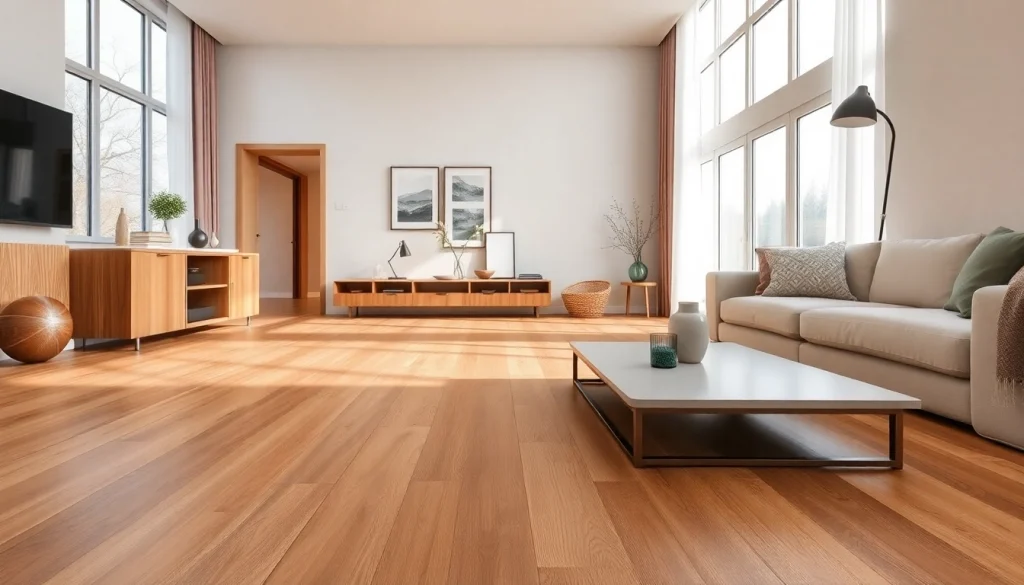
Vinyl flooring is a synthetic flooring material made primarily from polyvinyl chloride (PVC). It serves as an affordable alternative to natural materials like hardwood or stone without sacrificing style and functionality. Vinyl flooring is manufactured in two main forms: sheets and tiles. The sheets are large, continuous pieces, while tiles are smaller, modular squares that can be easily installed and replaced. Recent advances in manufacturing techniques have allowed for enhanced realism in design, as vinyl can mimic the appearance of wood, stone, and other materials closely.
Types of Vinyl Flooring
When considering vinyl flooring, it’s essential to understand the three primary types available:
- Vinyl Sheet: This type typically comes in large rolls, provides excellent water resistance, and is ideal for large areas.
- Vinyl Tile: Resembling traditional ceramic or stone tiles, vinyl tiles can be easily replaced individually and are suitable for both residential and commercial spaces.
- Luxury Vinyl Plank (LVP): Designed to mimic hardwood, LVP offers superior durability and aesthetic appeal, making it an attractive option for homeowners who want luxury on a budget.
Benefits of Choosing Vinyl Flooring
Vinyl flooring offers numerous advantages, making it a top choice for homeowners and designers alike:
- Durability: Vinyl flooring is resistant to scratches, dents, and moisture, making it a practical choice for high-traffic areas.
- Affordability: Compared to hardwood or stone, vinyl flooring significantly reduces upfront costs without compromising on style.
- Easy Maintenance: Regular sweeping and occasional mopping are all it takes to keep vinyl flooring looking new.
- Variety of Styles: Vinyl can be manufactured in various colors, patterns, and textures to match any home decor.
- Comfort: Providing a softer surface compared to other flooring types, vinyl flooring can reduce fatigue from prolonged standing.
Installing Vinyl Flooring: Step-by-Step Process
Preparing Your Space for Installation
Prep work is crucial for a successful vinyl flooring installation. Follow these steps:
- Clear the area: Remove any furniture, rugs, and old flooring materials.
- Clean the subfloor: Ensure the subfloor is free from debris, dust, and moisture. Any imperfections should be repaired to create an even surface.
- Assess moisture levels: Use a moisture meter to check for excess moisture, which could damage your vinyl over time.
Tools You Will Need
Having the right tools can make your installation smoother. Here’s a checklist:
- Measuring tape
- Utility knife
- Straight edge
- Adhesive (if required)
- J-roller
- Groover tool (for tile installations)
- Gloves and knee pads
Installation Techniques for Vinyl Flooring
There are various installation techniques, including:
- Glue-down: Ideal for sheet vinyl and some tiles, this method applies adhesive to the subfloor before laying the vinyl.
- Click-lock: Luxury vinyl planks often feature this floating method, which requires no adhesive and allows for easy installation.
- Loose lay: This technique involves placing vinyl tiles without glue in high-traffic areas.
Maintenance Tips for Long-Lasting Vinyl Flooring
Daily Care Guidelines
To extend the lifespan of your vinyl flooring, consider these daily care guidelines:
- Regularly sweep or vacuum to remove dirt and debris.
- Use a damp mop with a mild cleaner for deeper cleaning—avoid excessive water that can seep beneath the vinyl.
- Place mats at entrances to minimize dirt and moisture.
Dealing with Stains and Scratches
Accidents happen. Here’s how to deal with common issues:
- For stains, use a cloth and a mild cleaning solution suited for vinyl.
- To remove scratches, consider using a vinyl flooring repair kit or replace the affected tile.
- Always test any cleaning solution on an inconspicuous area first.
When to Refinish or Replace Vinyl Flooring
Knowing when to refinish or replace your vinyl flooring can save you time and money. Look for these signs:
- Severe fading or discoloration, which indicates that the protective layer has worn out.
- Deep scratches or gouges that can’t be repaired.
- Moisture issues beneath the flooring that can lead to mold.
Choosing the Right Vinyl Flooring for Your Home
Factors to Consider Before Purchase
Before purchasing vinyl flooring, consider several critical factors:
- Room Use: High-traffic areas may require more durable options, like luxury vinyl planks.
- Moisture Levels: In bathrooms and kitchens, opt for water-resistant vinyl.
- Aesthetics: Choose styles that complement your home’s decor, ensuring a cohesive look.
Comparing Costs and Quality
The cost of vinyl flooring varies based on quality and type. Here are tips for making informed decisions:
- Compare costs per square foot, including installation.
- Higher-priced options often provide better durability and warranties.
- Research reviews from other consumers to gauge quality before purchasing.
Popular Styles and Designs
Vinyl flooring comes in numerous designs. Some popular choices include:
- Wood-like Designs: Ideal for achieving the look of hardwood without the price tag.
- Stone Patterns: Perfect for bathrooms or kitchens, offering a natural look.
- Graphic Tiles: These add a unique flair and personality to any room, great for creative spaces.
Frequently Asked Questions About Vinyl Flooring
How Durable is Vinyl Flooring?
Vinyl flooring is highly durable, resistant to scratches, dents, and moisture. Its lifespan can be 10-20 years with proper care, depending on the type and quality.
Can Vinyl Flooring Be Installed Over Existing Floors?
Yes, vinyl flooring can often be installed over existing floors provided they are level, clean, and free of moisture. Ensure compatibility with both the subfloor and the vinyl type.
Is Vinyl Flooring Environmentally Friendly?
Modern vinyl flooring options are increasingly environmentally friendly, with some products being made from recycled materials. However, it is petroleum-based, impacting sustainability efforts.
What Are the Best Adhesives for Vinyl Flooring?
For glue-down installations, a pressure-sensitive adhesive is often best. Make sure to select adhesives specifically designed for vinyl flooring to ensure proper bonding.
How Often Should Vinyl Flooring Be Cleaned?
Vinyl flooring should be swept or vacuumed daily to remove dirt and debris. Mopping should occur at least once a week using a suitable cleaner to maintain appearance and hygiene.