
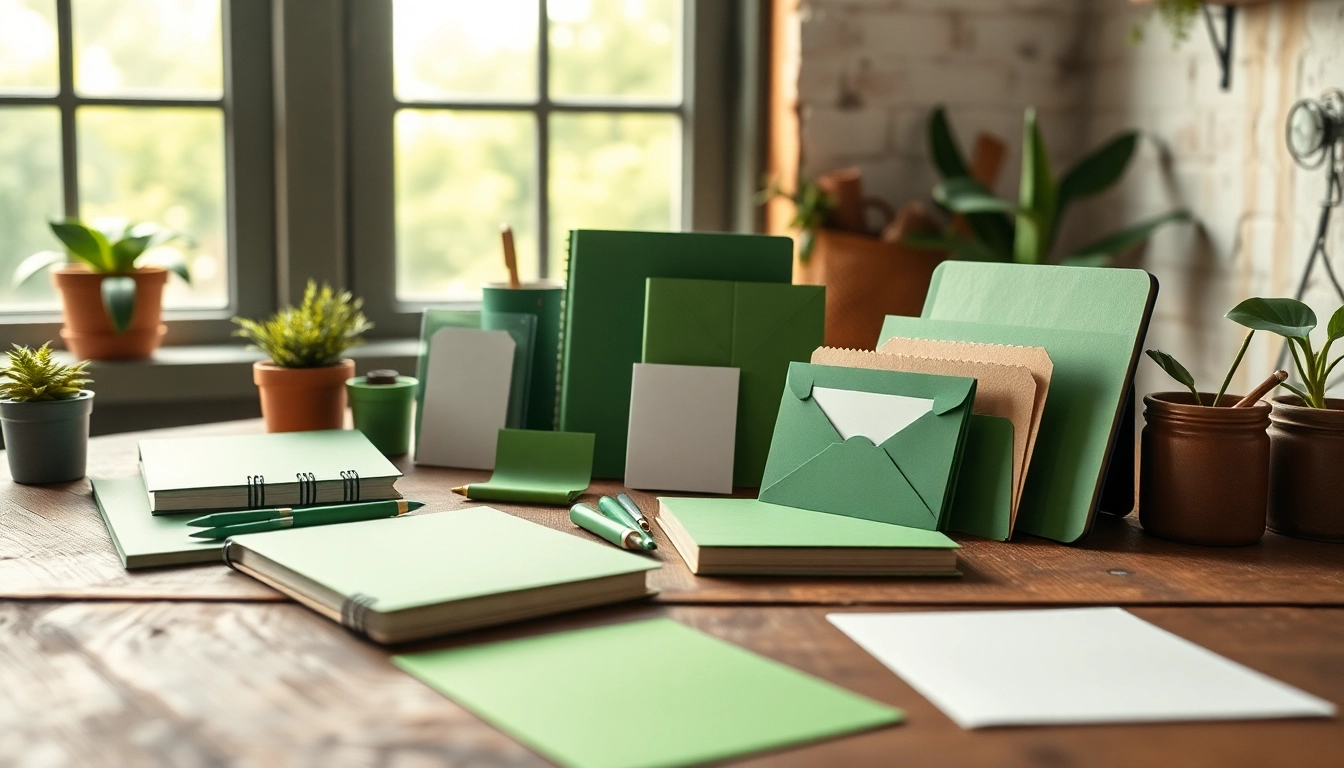
Understanding Green Stationery and Its Importance
As the world becomes increasingly aware of environmental challenges, consumers are seeking sustainable solutions in every aspect of their lives, including the products they use in their workplaces and homes. One such solution is green stationery, a category of products designed to minimize environmental impact while maintaining functionality and appeal. This article explores the multifaceted concept of green stationery, its benefits, the impact it has on the environment, and how to effectively incorporate it into your daily life.
What is Green Stationery?
Green stationery refers to a range of writing and office supplies made from sustainable materials and produced through environmentally friendly processes. These products encompass everything from recycled paper and envelopes to non-toxic inks and plant-based glues. The goal of green stationery is to reduce waste, utilize renewable resources, and promote eco-conscious practices among consumers.
Benefits of Choosing Green Stationery
The benefits of opting for green stationery are extensive and impactful, not only for the environment but also for individuals and businesses:
- Environmental Conservation: Green stationery is often made from recycled materials, thereby reducing the demand for new raw materials, conserving natural resources, and minimizing waste.
- Health Benefits: Traditional stationery products can contain harmful chemicals; green stationery typically uses safer, non-toxic materials, creating a healthier workspace for everyone.
- Positive Brand Image: For businesses, using eco-friendly products can enhance their brand’s reputation and attract environmentally conscious consumers, potentially leading to increased loyalty and sales.
- Supporting Sustainability Initiatives: Many green stationery brands contribute to environmental causes, such as tree planting or educational programs on sustainability.
The Impact of Eco-Friendly Stationery on the Environment
Eco-friendly stationery contributes positively to the environment by:
- Reducing Carbon Footprint: By utilizing recycled materials and sustainable manufacturing practices, the carbon emissions associated with producing new paper products are significantly decreased.
- Conserving Water: Producing traditional paper can consume vast amounts of water. Green stationery often requires far less water during its production processes.
- Encouraging Biodiversity: Sustainable sourcing practices help conserve forests and habitats, promoting biodiversity and ecological health.
Key Features of Green Stationery Products
Materials Used in Green Stationery
Green stationery can be composed of various sustainable materials including:
- Recycled Paper: Made from post-consumer waste, recycled paper significantly reduces the need for virgin pulp.
- Bamboo: This rapidly renewable resource is leveraged to produce various stationery items, including pens and notebooks.
- Plant-Based Inks: Unlike traditional petroleum-based inks, plant-based inks are made from renewable resources and are less harmful to the environment.
Innovative Designs for Eco-Friendly Stationery
Modern green stationery also embraces innovative designs that prioritize both aesthetics and functionality. Some key trends include:
- Minimalist Styles: Focusing on simplicity not only reduces material usage but also offers a sophisticated design aesthetic.
- Modular Products: These allow users to mix and match components, which can reduce waste and cater to various user needs.
- Upcycled Materials: Innovative products made from discarded materials, such as fabric scraps or plastics, showcase creativity while further reducing waste.
Certifications and Standards for Sustainability
When choosing green stationery, it’s vital to look for certifications and standards that verify the sustainability of products. Key certifications include:
- Forest Stewardship Council (FSC): Ensures that paper comes from responsibly managed forests.
- Global Organic Textile Standard (GOTS): For stationery made from organic cotton or other textiles, ensuring ecological and social criteria.
- Certified Biodegradable: Labels indicating products break down into natural materials over time, reducing waste impact.
How to Select the Right Green Stationery for Your Needs
Identifying Your Stationery Requirements
Before purchasing green stationery, assess your needs to ensure you choose effective products. Consider factors such as:
- The primary use of the stationery (e.g., office supplies, creative projects, personal correspondence).
- Your personal or company values relating to sustainability (e.g., eco-certifications, local sourcing).
- The design and aesthetic appeal for your target audience or personal taste.
Evaluating Quality and Functionality
It’s crucial to ensure that eco-friendly products maintain high quality and functionality. Tips for evaluation include:
- Reading product reviews and testimonials to assess user satisfaction.
- Testing samples, if available, to ensure they meet your durability and usability expectations.
- Inquiring about return policies to safeguard against purchasing unsatisfactory products.
Comparing Prices and Brands in Green Stationery
When shopping for green stationery, it’s wise to compare prices across various brands to ensure you’re getting value for your investment. Keep in mind:
- Higher prices can sometimes reflect the use of superior materials and ethical practices.
- Look for bulk purchase options or subscription services that may offer cost savings.
- Recognizing that investing in durable, high-quality products can save money over time.
Creative Ways to Use Green Stationery
Incorporating Eco-Friendly Stationery in Your Work
Integrating green stationery into your workflow can lead to enhanced creativity and sustainability awareness. Here are a few ideas:
- Using recycled notebooks for brainstorming sessions encourages responsible note-taking.
- Implementing sustainable pens and markers can subtly promote eco-conscious messaging in meetings.
Hosting Events with Sustainable Stationery
Using green stationery for events, such as workshops or conferences, can leave a lasting impression:
- Create eco-friendly invitations printed on recycled cardstock.
- Provide conference materials like folders made from sustainable materials to showcase your commitment to sustainability.
Customizing Green Stationery for Personal Use
Personalizing your stationery can be an enjoyable experience. Tips for customization include:
- Designing your own greeting cards using recycled paper for a personal touch.
- Incorporating natural elements such as pressed flowers or twine to enhance the appeal while remaining environmentally friendly.
Where to Find Quality Green Stationery
Top Retailers for Eco-Friendly Stationery
Identifying reputable retailers specializing in eco-friendly stationery is crucial. Look for:
- Stores that focus solely on sustainable products, ensuring you’re making ethical choices.
- Large retailers with eco-friendly sections that may offer a broader selection.
Online Platforms Offering Green Stationery
Numerous online platforms boast a range of green stationery options. Consider:
- Websites that provide customer reviews and detailed product specifications, enhancing your decision-making.
- Online marketplaces that encourage small eco-friendly businesses, supporting the local economy.
Checking Local Stores for Sustainable Options
Don’t overlook local brick-and-mortar stores; they often stock unique green stationery products. When locally shopping:
- Ask staff for their eco-friendly product lines, as local knowledge can lead to unexpected finds.
- Support local artisans who may craft unique stationery items from sustainable materials.