Understanding Fly Fishing Combos
What is a Fly Fishing Combo?
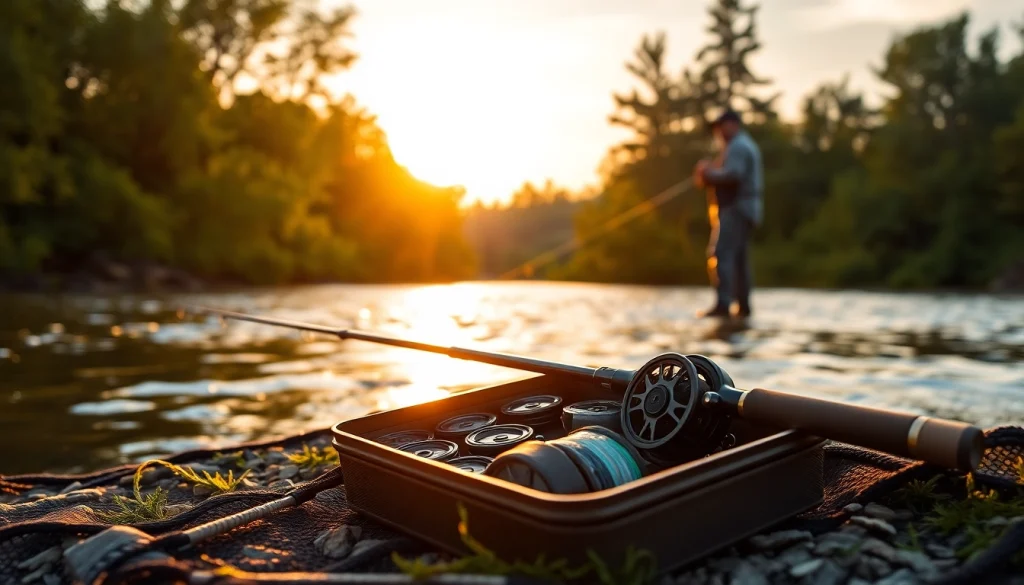
A fly fishing combo refers to an all-in-one set that consists of essential fly fishing gear, typically including a rod, reel, and line, which are carefully matched to enhance a fisher’s fly fishing experience. These combos are designed to provide beginners and experienced anglers with a straightforward way to get started without needing to purchase each component separately. The convenience of a combo lies in its compatibility; each part is chosen to work seamlessly together, allowing for optimal casting and fishing performance. If you’re looking for your first fly fishing combo, understanding the structure and purpose of these packages is crucial.
Benefits of Using a Combo
One of the primary advantages of utilizing a fly fishing combo is its ease of use, particularly for beginners. These sets eliminate the guesswork involved in matching individual components, as manufacturers design them to be compatible. Moreover, combos are often more cost-effective than buying pieces separately. Here are some significant benefits:
- Cost-Effectiveness: Purchasing a combo can often save money compared to buying components individually.
- Convenience: You receive everything you need in one package, making it simpler for beginners to start fishing right away.
- Compatibility: The components are perfectly matched for optimal performance, reducing the chances of complex setup issues.
- Focus on Learning: By having everything needed in one package, beginners can focus more on learning the techniques rather than the technicalities of gear compatibility.
Key Components of a Fly Fishing Combo
Understanding what makes up a fly fishing combo is essential for maximizing your fishing experience. Here are the primary components typically found in these combos:
- Fly Rod: Designed to cast lightweight lines and flies, fly rods vary in length and action, affecting casting performance and ability to handle different fish sizes.
- Fly Reel: This component holds the line and helps when reeling in fish. Reels also provide drag mechanisms, which are crucial for controlling fish during the fight.
- Fly Line: Different weights and types of line are designed to match specific fishing conditions and fly weights. A weight-forward line is commonly found in combos to improve casting distance and control.
- Leader and Tippet: These are thin strands of line that connect the fly to the main line, allowing for a stealthy presentation to fish.
- Flies: Often included in combos, flies imitate insects or baitfish and are critical for enticing fish to bite.
How to Choose the Right Fly Fishing Combo
Consider Your Skill Level
When selecting a fly fishing combo, your skill level plays a pivotal role. Beginners might prefer simpler, more forgiving setups, while more advanced anglers may look for combinations that offer specialized features and variations. For novices, a lightweight rod with a medium action is an ideal choice, as it provides a balance of flexibility and control that aids in perfecting casting strokes. Conversely, experienced anglers might value precision and durability, leading them to choose materials like graphite or fiberglass for enhanced performance.
Match the Combo to Your Fishing Environment
Your fishing environment is another crucial factor in selecting the right combo. Different water types, be it freshwater lakes, rivers, or saltwater flats, demand specific gear adaptations. For example, if you’re targeting trout in a stream, a shorter rod (around 8-9 feet) with a lighter line (weight 4-6) is optimal for casting in tight spots. On the other hand, fishing in larger, open waters might require a longer rod (10-12 feet) for better line control and distance casting.
Assessing Quality vs. Budget
When it comes to fly fishing combos, balancing quality and budget is essential. While it may be tempting to opt for the cheapest option, investing in a quality combo can lead to a more enjoyable fishing experience. Look for reputable brands that offer a good warranty and positive customer reviews. Many manufacturers produce affordable combos that do not compromise on performance, providing solid materials and designs that cater to beginners and intermediate fishers alike.
Top Fly Fishing Combos in 2023
Best Combos for Beginners
For those just starting their fly fishing journey, several excellent combos are particularly well-suited. These packages are generally user-friendly and budget-conscious, ensuring that new anglers have a productive learning experience. Some top recommendations include:
- TFO NXT Series: This combo features a lightweight rod, a smooth reel, and quality line, making it perfect for beginners.
- Orvis Clearwater Outfit: Known for ease of use and outstanding customer support, this combo is widely praised among novices.
- Redington Crosswater Combo: With its affordable price and reliable performance, this combo serves as a terrific entry-point for new fishers.
Intermediate Level Combos
As anglers gain experience and refine their skills, they may find themselves ready for a more advanced fly fishing combo. These setups provide both performance and versatility, accommodating diverse waters and fish species. Recommended combos for intermediate anglers include:
- Echo Base Fly Rod Combo: This combo offers great value with its quality rod and smooth reel, perfect for intermediate casting techniques.
- Cabela’s Prestige Plus Fly Combo: Known for its durability, this combo is designed to withstand frequent use while providing solid performance.
- Hodgman Wadelite Fly Combo: This versatile combo makes it easy to transition between fishing environments, thanks to its adaptable features.
Advanced Options for Experts
Experienced anglers looking to invest in top-tier performance gear should consider advanced combos that offer exceptional materials, precision engineering, and notable features. Examples of advanced fly fishing combos include:
- G. Loomis NRX+: This premium setup features an ultra-lightweight rod and a high-quality reel, tailored for serious anglers seeking top performance.
- Scott Radian Fly Rod: Known for its innovative design and construction, this rod provides unparalleled sensitivity and casting accuracy.
- Sage Pulse Fly Rod: Sage is synonymous with excellence; the Pulse series combines performance with versatility, suitable for various conditions.
Care and Maintenance of Your Fly Fishing Combo
Essential Care Tips
To ensure the longevity and performance of your fly fishing combo, taking proper care of your gear is fundamental. Here are some essential care tips:
- Always rinse your rod and reel with fresh water after fishing in saltwater to prevent corrosion.
- Inspect your fly line for nicks and knots, replacing it if necessary to maintain smooth performance.
- Keep your reel clean and lubricated, especially after heavy use, to ensure smooth drag action.
Storage Recommendations
Storing your fly fishing gear properly is critical to maintaining its condition. Store rods in a protective case to prevent damage, and keep reels free of line tangling. Ideally, store your combo in a cool, dry place, away from direct sunlight. When not in use for extended periods, disassemble the combo and store it in a position that minimizes stress on the components.
Common Mistakes to Avoid
Many anglers fall into habitual traps that can diminish their fishing experience or damage gear. Here are some common mistakes to avoid:
- Skipping routine maintenance, such as cleaning the reel or replacing worn line, which can lead to poor performance over time.
- Not practicing casting regularly, leading to rustiness in skills and casting inaccuracies during fishing trips.
- Storing gear improperly, which may result in damage to rods or reels due to improper tension or exposure to harsh conditions.
Enhancing Your Fly Fishing Experience
Accessories to Pair with Your Combo
To maximize your fly fishing experience, pairing accessories with your comb is essential. Supplementary gear that can elevate your experience includes:
- Fly Boxes: Keep your flies organized and protected.
- Fishing Vest: A well-designed vest with ample pockets can help you store tools and gear efficiently.
- Polarized Sunglasses: These are essential for reducing glare on the water, allowing you to spot fish more effectively.
Fly Fishing Techniques for Better Casting
Understanding casting techniques can drastically improve your fly fishing success. Key techniques to consider include:
- Overhead Casting: A fundamental approach ideal for achieving distance; focus on smooth arm movement and wrist action.
- Roll Casting: Useful when space is limited; this technique allows for casting without needing to backcast.
- Double Haul Casting: A more advanced method that doubles line speed and distance; perfect for windy conditions.
Tuning Your Gear for Optimal Performance
To get the best performance out of your fly fishing combo, tuning your gear to suit specific conditions is a must. Here are a few strategies:
- Adjusting Drag Settings: Test different drag settings on your reel based on the fish type and water conditions.
- Choosing the Right Flies: Match flies to the current hatch or conditions for increased success.
- Fine-Tuning Leader Length: Adjusting leader length can significantly affect presentation; experiment until you find the optimal setup.