Understanding Emergency Blankets
What is an Emergency Blanket?
An emergency blanket, also known as a space blanket or thermal blanket, is a lightweight insulating device designed to reflect body heat back to the user. Originally developed by NASA for space missions, these blankets are made from a thin plastic material, typically Mylar, that reflects up to 90% of radiant heat. They are compact, making them an essential item for outdoor enthusiasts, emergency responders, and survivalists alike. When you’re caught in unexpected weather conditions or need to maintain body temperature during an emergency, an emergency blanket can be a lifesaver.
Materials and Construction
The primary material used in most emergency blankets is Mylar, a type of polyester film that is not only water-resistant but also highly reflective. This construction allows emergency blankets to serve multiple functions: they can trap heat, provide waterproofing, and act as a windbreaker. In addition, some emergency blankets may feature a combination of materials to enhance their durability and usability—for example, featuring a side with a shiny surface for heat reflection and a matte surface for camouflage in survival situations.
Common Uses and Applications
Emergency blankets have a broad range of uses. They are commonly employed in various scenarios, including:
- Outdoor Survival: Hikers, campers, and climbers often carry emergency blankets to protect against sudden drops in temperature.
- Disaster Preparedness: Emergency kits typically include these blankets for use in natural disasters like hurricanes or earthquakes.
- First Aid: Medical personnel utilize thermal blankets to treat shock or hypothermia in patients.
- Sporting Events: Athletes are often covered in emergency blankets post-competition to prevent hypothermia.
Benefits of Using Emergency Blankets
Thermal Insulation Properties
The primary benefit of an emergency blanket is its thermal insulation properties. The reflective surface can help maintain body temperature by reflecting heat back to the user, thus preventing heat loss during cold weather. Studies have shown that using a thermal blanket effectively reduces hypothermia risks in emergency scenarios and cold conditions. This is particularly crucial in survival situations where staying warm can be a matter of life or death.
Lightweight and Portability
Weight and space are critical factors for anyone venturing into the great outdoors, and emergency blankets excel in this regard. Most weigh next to nothing and can be folded into a very compact size, allowing them to be easily stored in a backpack or glove compartment. This portability makes them an ideal addition to any outdoor gear, outfitting emergency kits, or even daily carry items in cars.
Versatile Survival Tool
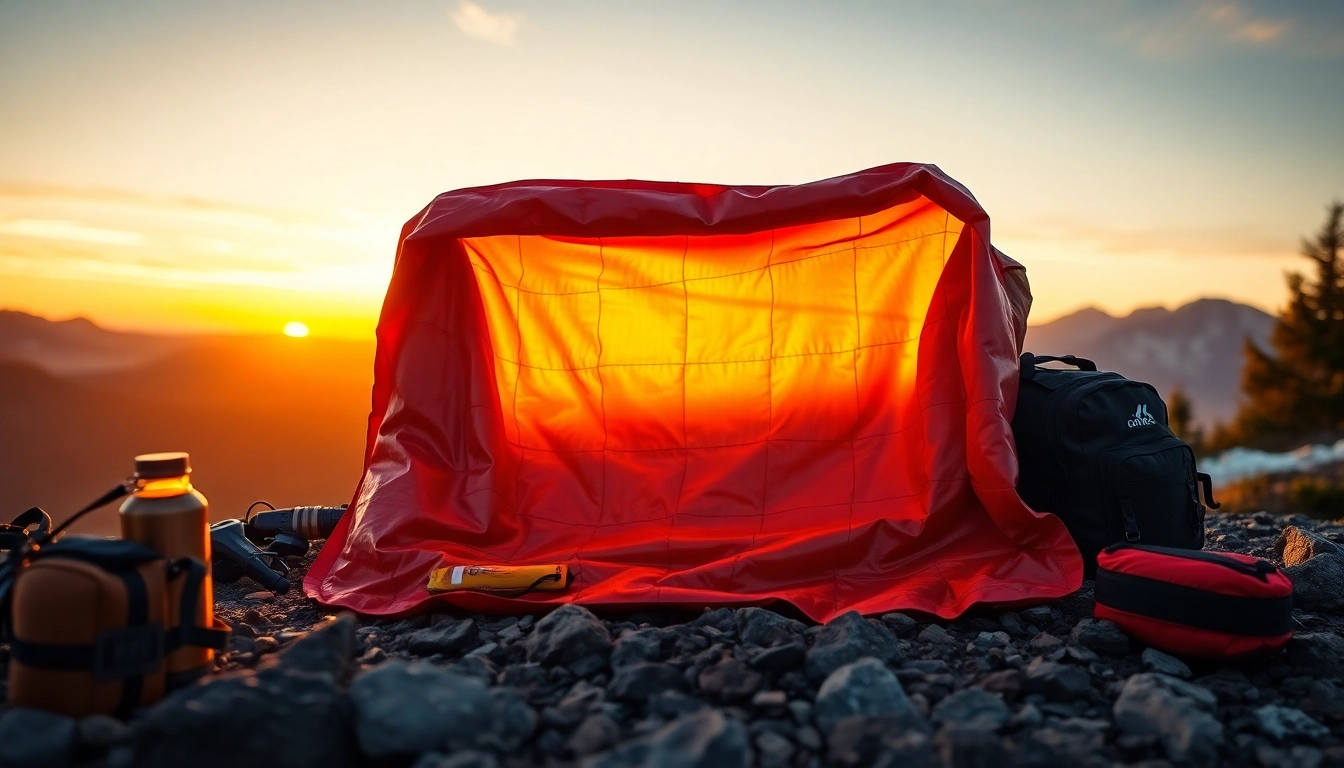
Emergency blankets are not solely designed for thermal protection; they offer versatile applications. They can be used as ground coverings to keep moisture away, makeshift shelters against wind and rain, or even as signalling devices when their shiny surface catches light. This multi-functionality enhances their value in survival scenarios, providing solutions that go far beyond simple warmth.
How to Choose the Best Emergency Blanket
Key Features to Look For
When selecting an emergency blanket, there are several key features that should be taken into consideration:
- Size: Choose a blanket that can adequately cover the person or people who may need it. Standard sizes typically range from 52” x 84” to larger sizes for multiple people.
- Material Quality: Look for high-quality Mylar that will withstand tears and punctures. The thickness and durability of the material contribute directly to its effectiveness.
- Weight: A lightweight option is ideal for portability, especially for outdoor enthusiasts.
- Color: The color can impact visibility and reflectivity. Silver and gold colors work best for thermal performance, while bright colors improve visibility in emergency situations.
Size and Weight Considerations
Size and weight should be tailored to your individual needs. Lightweight models are convenient to carry, but ensure that they provide adequate coverage when deployed. Additionally, consider the packed size of the blanket. A good emergency blanket will compact down to a size that easily fits in your survival kit or camping backpack without taking up unnecessary real estate.
Evaluating Price vs. Quality
As with most gear, price can be an indicator of quality but should not be the sole determining factor. Cheaper blankets may save money initially but could result in poor performance or durability issues when you need them most. Aim to find a balance, selecting options that are reliable without breaking the bank. Researching product reviews and trusted brands in survival gear can also help ensure you make informed purchasing decisions.
Real-Life Scenarios for Emergency Blanket Use
Outdoor Adventures and Camping
For those who frequent the outdoors, such as hikers, campers, and climbers, emergency blankets serve as a crucial part of safety gear. Whether used for warmth during a chilly night or to provide a layer of insulation while waiting for rescue, these tools can dramatically improve comfort and safety. Experienced adventurers don’t underestimate the small size and weight of an emergency blanket—often, it’s those lightweight items that become the most valuable in dire situations.
Preparedness Kits for Emergencies
Emergency preparedness is a crucial aspect of personal safety. An emergency blanket should be one of the staple items in any preparedness kit, whether for natural disasters or personal emergencies. The knowledge that you have a means to retain body heat during unexpected calamities can provide peace of mind, allowing one to focus on other critical survival strategies. Additionally, they can be easily purchased in bulk for families or businesses looking to establish ready-to-deploy emergency kits.
Medical and First Aid Situations
In medical emergencies, maintaining body temperature is essential for patient stability, particularly in cases of shock or hypothermia. Medical professionals frequently utilize emergency blankets in hospitals, first responder kits, and remote medical settings. As awareness of their benefits increases, many first aid courses now emphasize the importance of these blankets in providing immediate care to patients, highlighting their role in managing critical body temperature.
Maintaining Your Emergency Blanket
Proper Storage Techniques
To ensure the longevity and effectiveness of your emergency blanket, proper storage techniques are essential. Keep it in a dry, cool place away from direct sunlight which can degrade the material over time. Given their compact design, storing them in zip-lock bags or padded cases can prevent damage and make them easy to find when needed. Ensure you check the blanket periodically for any signs of wear or damage.
Cleaning and Care Instructions
Emergency blankets typically do not require frequent cleaning, but if necessary, wipe them down with a damp cloth. Avoid washing them in machines or exposing them to harsh detergents, as this could compromise their reflective properties. Instead, opt for gentle cleaning methods to maintain their usability for emergency situations.
Signs of Wear and Replacement Tips
Like any gear, emergency blankets do have a lifespan. Signs of wear can include fraying edges, visible tears, or any degradation of the material. If the reflective coating shows signs of damage or the blanket is no longer compact when folded, it’s time for a replacement. Regularly reviewing your emergency supplies and updating them every few years will help ensure that they’re effective when you need them most.