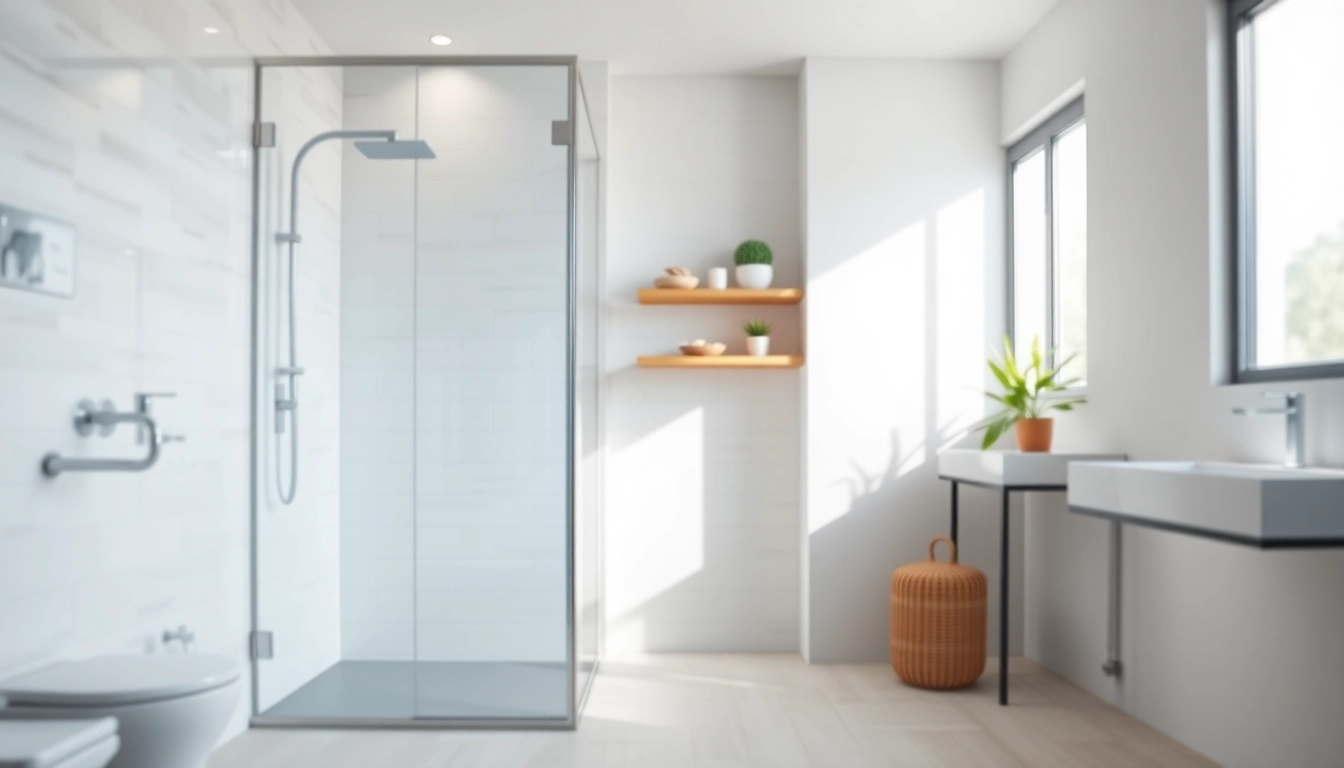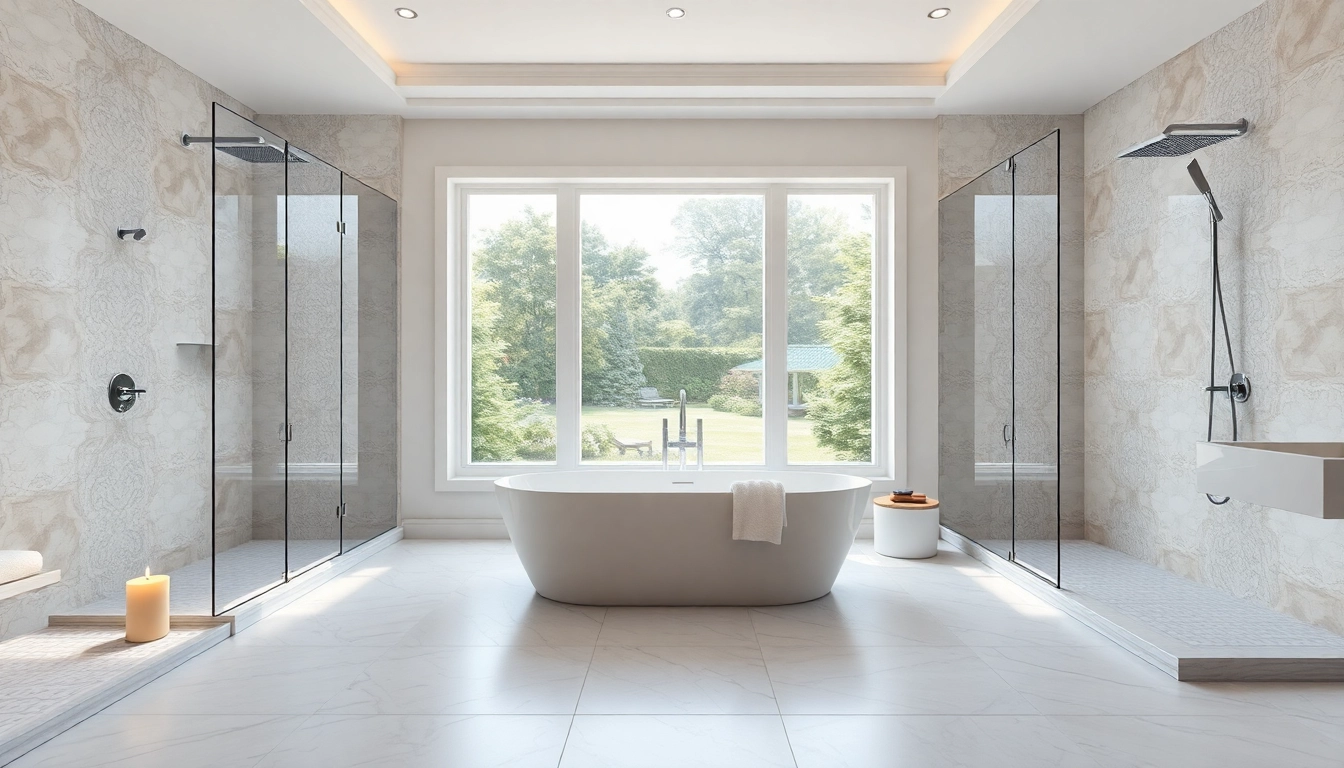
Introduction to Sliding Door Shower Screen
The choice of a sliding door shower screen can significantly impact both the aesthetic and functionality of your bathroom. These modern fixtures offer a harmonious blend of elegance and practical design, making them increasingly popular among homeowners and designers alike. In this comprehensive guide, we will delve into the various aspects of sliding door shower screens, exploring their benefits, designs, installation, and maintenance, ensuring that you have all the information needed to make an informed choice for your bathroom.
What is a Sliding Door Shower Screen?
A sliding door shower screen is a type of enclosure that allows access to the shower space through sliding doors that run along a track. Unlike hinged doors that swing open, sliding screens are designed to glide smoothly along the track, which helps save space and adds a modern touch to any bathroom. These screens are available in various sizes, styles, and materials, making them adaptable to various design preferences and bathroom layouts.
Benefits of Using a Sliding Door Shower Screen
Choosing a sliding door shower screen comes with several advantages, including:
- Space Efficiency: Sliding doors do not require extra space to swing open, making them particularly beneficial for small bathrooms.
- Stylish Aesthetics: These screens are available in various designs, including frameless options that can enhance the bathroom’s overall look.
- Ease of Access: Sliding doors provide effortless access to the shower area, which can be useful for individuals with mobility challenges.
- Low Maintenance: Most sliding door screens are made of glass, which can be easily cleaned and maintained with minimal effort.
- Water Containment: Properly designed sliding doors can prevent water from leaking out of the shower area.
Common Designs and Styles
Sliding door shower screens come in various styles to match different bathroom aesthetics. Here are some popular styles:
- Framed Sliding Doors: These designs feature a metal frame surrounding the glass, offering additional support and helping to create a classic look.
- Frameless Sliding Doors: Emphasizing minimalism, frameless doors provide a sleek and modern appearance with clear lines and less visual obstruction.
- Bi-Fold Sliding Doors: A combination of folding and sliding mechanisms that can open up the space when not in use, ideal for compact bathrooms.
- Curved Sliding Doors: These screens follow a curved track, providing a soft, elegant look and maximizing corner spaces.
Choosing the Perfect Sliding Door Shower Screen
Factors to Consider for Selection
Selecting the right sliding door shower screen involves considering several factors:
- Space Dimensions: Measure your shower area to ensure the selected screen fits well without obstructing the movement.
- Style Preference: Choose a design that complements your bathroom decor, whether that be modern, traditional, or transitional.
- Glass Type: Decide between single-layer or tempered glass; tempered glass provides safety due to its strength and ability to crumple without sharp edges if broken.
- Installation Type: Some screens may require professional installation, while others can be easily installed as DIY projects.
Materials and Durability
The materials used for sliding door shower screens impact both durability and aesthetic appeal. The most common materials include:
- Tempered Glass: Known for its strength and thermal resistance, tempered glass is the preferred choice for shower screens.
- Acrylic: A lightweight and shatter-resistant alternative to glass, though it may not provide the same high-end look.
- Vinyl: Often used in less expensive models, vinyl can be effective and waterproof but may lack the sophistication of glass options.
Size and Space Planning
When planning to install a sliding door shower screen, it’s essential to consider the dimensions of your bathroom and the shower space. Measure the height and width of the shower opening to select a screen that fits well. Additionally, you should factor in access space to ensure that the doors can open freely and that there’s enough room for movement within the shower area.
Installation and Maintenance Tips
Professional Installation vs. DIY
Depending on your skills, you may choose to install your sliding door shower screen yourself or hire professionals:
- DIY Installation: Many products come with instructions that make self-installation feasible for those comfortable with basic tools and assembly.
- Professional Installation: Opting for a professional ensures that your screen is installed correctly and securely, especially beneficial for large or complex configurations.
Cleaning and Upkeep
Maintaining the clarity of sliding door shower screens is essential for both aesthetics and safety. Regular cleaning should include:
- Using a non-abrasive glass cleaner or a mixture of vinegar and water to prevent soap scum buildup.
- Wiping down the glass and tracks after each use to prevent water stains.
- Inspecting the seals regularly for wear and replacing them as necessary to maintain a watertight enclosure.
Common Installation Mistakes
While installing a sliding door shower screen, you might encounter common pitfalls, such as:
- Incorrect measurements leading to poor fit.
- Failing to level the track, which can cause the doors to slide unevenly.
- Neglecting to secure the hardware adequately.
Double-checking each step during installation can mitigate these issues.
Enhancing Privacy and Functionality
Glass Treatments for Enhanced Privacy
If privacy is a concern, consider glass treatments such as frosted glass or patterned glass, which obscure visibility while still allowing light to filter in. These options maintain a stylish look while enhancing the functionality of the shower screen.
Adding Accessories for Convenience
To further improve your sliding door shower screen’s functionality, consider installing accessories:
- Shower Shelves: Built-in or attachable shelves can provide storage for toiletries.
- Grab Bars: For safety, adding grab bars can assist those with limited mobility.
- Water Softener Systems: Installing these can prevent soap scum and mineral buildup, keeping your glass cleaner longer.
Designing Around Your Sliding Door Shower Screen
Integrating the sliding door shower screen with the overall bathroom design is crucial. Consider complementary color schemes, materials, and fixtures to create harmony throughout the space. For instance, matching the frame finish of your shower screen with other bathroom hardware can enhance the overall aesthetic.
Frequently Asked Questions about Sliding Door Shower Screens
How Much Space is Required for a Sliding Door Shower Screen?
A sliding door shower screen typically needs less space than hinged doors since they slide along a track, making them ideal for narrow bathrooms.
Are Sliding Door Shower Screens Easy to Clean?
Yes, most sliding door shower screens can be easily cleaned with regular glass cleaners, and additional treatments can make them more resistant to stains.
What are the Best Materials for Sliding Door Shower Screens?
Tempered glass is the most common material, offering strength and safety; however, you can also find acrylic and vinyl options that are lighter and sometimes more affordable.
Do Sliding Door Shower Screens Prevent Water Leakage?
When properly installed, sliding door shower screens can significantly reduce water leakage, especially if designed with a good sealing system.
How Do I Choose Between Frameless and Framed Sliding Shower Screens?
Your choice depends on aesthetics and budget; frameless designs offer a modern look, while framed versions provide added support or a more classic style.