
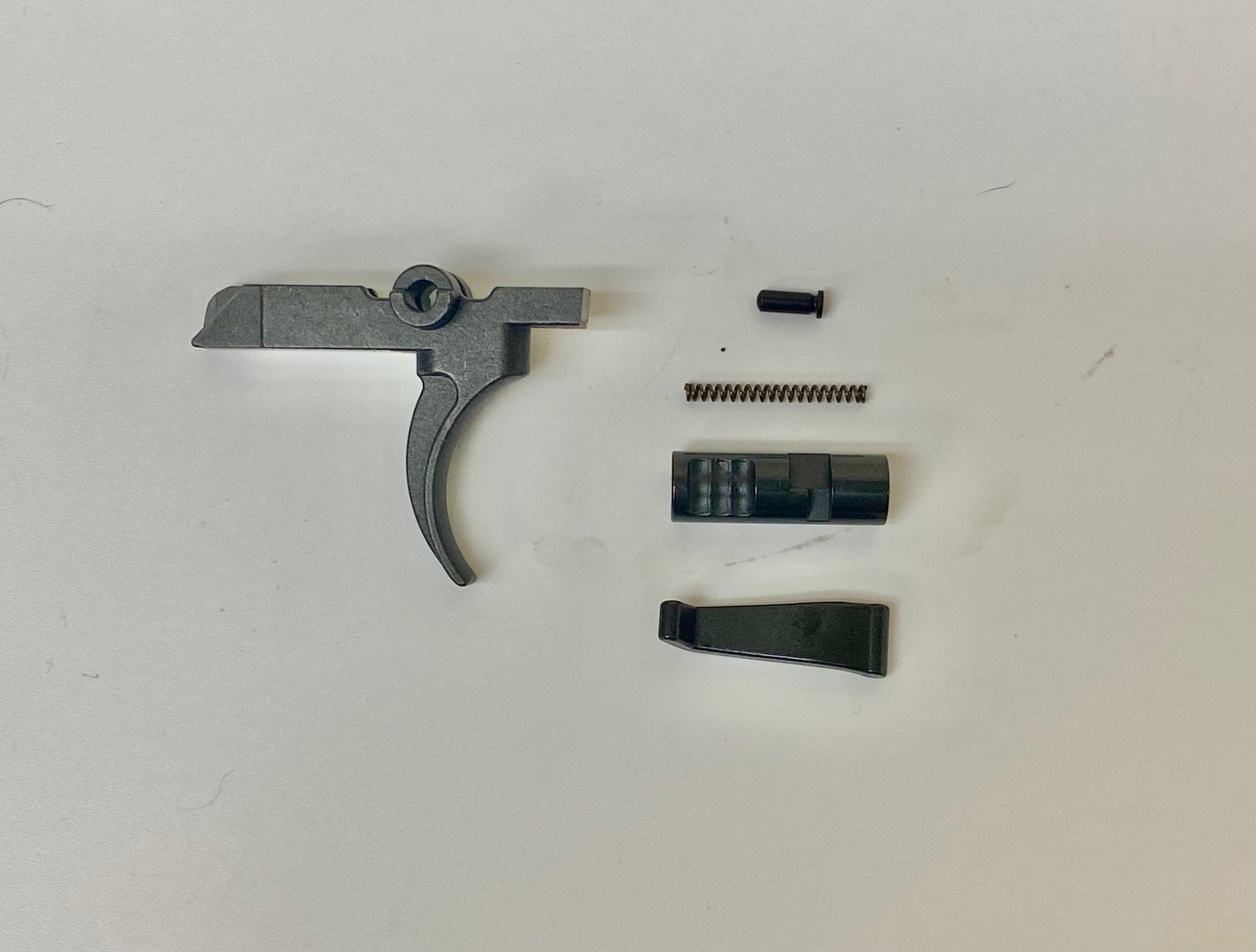
- Understanding the Importance of the AR 15 Trigger
- Types of AR 15 Trigger Systems
- Pull Weight Considerations for Your AR 15 Trigger
- Trigger Materials and Build Quality
- Reset Speed and Shooting Performance
- Adjustability and Customization Options
- Safety Features in an AR 15 Trigger
- Matching Your AR 15 Trigger to Your Build Purpose
- Final Thoughts: Choosing the Best AR 15 Trigger
Understanding the Importance of the AR 15 Trigger
Choosing the right AR 15 trigger is one of the most important decisions you can make when building or upgrading your rifle. The AR 15 trigger directly affects accuracy, speed, control, and overall shooting experience. With so many designs, pull weights, and mechanisms available, understanding how different AR 15 trigger options work will help you customize your firearm for precision, tactical use, competition, or general shooting. Because the AR 15 trigger is responsible for consistent and reliable performance, selecting the best one for your needs ensures your build performs exactly the way you expect.
Types of AR 15 Trigger Systems
The first thing to look at when choosing an AR 15 trigger is the type of trigger system. There are several main types, each offering unique advantages depending on your shooting goals. A single‑stage AR 15 trigger delivers one smooth pull from start to break, making it ideal for fast shooting and tactical use. A two‑stage AR 15 trigger has a light initial take‑up followed by a more defined break, which is perfect for precision and long‑range accuracy. You can also choose between drop‑in triggers and traditional mil‑spec triggers. A drop‑in AR 15 trigger is pre‑assembled in a housing, making installation simple and providing a crisp, consistent feel. Mil‑spec triggers require internal assembly but offer rugged reliability for duty and field use.
Pull Weight Considerations for Your AR 15 Trigger
Pull weight is one of the most essential factors when deciding on an AR 15 trigger. A lighter AR 15 trigger pull weight, such as 2.5 to 3.5 pounds, is great for competitive shooting or precision builds because it allows for fast, controlled shots with minimal disturbance to your sight picture. A medium pull weight of 4 to 5.5 pounds balances safety and performance, making it a strong choice for home defense or general‑purpose rifles. A heavier AR 15 trigger pull weight above 6 pounds is typically used for duty or rugged field environments where accidental discharge prevention is a priority. Choosing the correct pull weight ensures your AR 15 trigger matches your intended use and comfort level.
Trigger Materials and Build Quality
The materials and construction used in an AR 15 trigger determine its durability, smoothness, and longevity. High‑quality AR 15 trigger designs often feature machined steel components, polished surfaces, and reinforced housings. Many premium AR 15 trigger models are coated with materials such as nickel boron, nitride, or Teflon to reduce friction and improve smoothness. These coatings extend the life of the AR 15 trigger while enhancing reliability in various environments. Lower‑grade triggers may work for basic builds, but investing in a quality AR 15 trigger ensures long‑term performance and consistent shooting results.
Reset Speed and Shooting Performance
Another key factor in choosing an AR 15 trigger is the reset. A short, crisp reset allows for rapid follow‑up shots and tight grouping during high‑speed shooting. A performance‑oriented AR 15 trigger is engineered to minimize movement between shots, giving you faster cycling and improved accuracy. Competitive shooters rely on quick reset triggers to maintain speed during matches, while tactical shooters benefit from the increased control and responsiveness. When testing or researching an AR 15 trigger, evaluating reset consistency helps you determine whether it fits your shooting style.
Adjustability and Customization Options
Many modern AR 15 trigger options come with adjustability features that let you fine‑tune your rifle’s feel. Adjustable AR 15 trigger systems may allow you to change pull weight, over‑travel, and reset length. This level of customization ensures your AR 15 trigger feels exactly the way you want it. Adjustable triggers are especially beneficial for precision shooters who require exact control over every part of the trigger pull. However, even general shooters appreciate the flexibility to dial in their AR 15 trigger to achieve perfect comfort and control.
Safety Features in an AR 15 Trigger
Safety should always be a top priority when choosing an AR 15 trigger. Look for features such as reinforced sears, reliable hammer engagement, and drop‑safe designs. A high‑quality AR 15 trigger will prevent discharge even if the rifle experiences impact. Some triggers include built‑in fail‑safes to ensure consistent and secure operation. When selecting an AR 15 trigger for home defense or duty use, choosing a model with strong safety engineering will give you peace of mind and dependable performance.
Matching Your AR 15 Trigger to Your Build Purpose
The best AR 15 trigger for your build depends on what you plan to do with your rifle. For precision shooting, select a two‑stage AR 15 trigger with a light, crisp break. For tactical or defensive use, a single‑stage AR 15 trigger with a medium pull weight provides reliability and speed. For competition, opt for a performance drop‑in AR 15 trigger designed for quick reset and minimal travel. Every shooter has different needs, so matching the AR 15 trigger to your purpose ensures you get the most from your rifle.
Final Thoughts: Choosing the Best AR 15 Trigger
Selecting the right AR 15 trigger can transform your rifle from average to exceptional. With careful attention to pull weight, reset speed, materials, adjustability, and intended use, you can choose an AR 15 trigger that enhances accuracy, comfort, and confidence. Your AR 15 trigger is one of the most influential components in your build, and choosing the right one ensures your rifle performs at its highest potential.